Reassessing University and it’s Post Modern Teaching.

Lately I have been thinking about what I would want to obtain from a master’s degree and how I would propose a thesis. Obviously my biggest intention would be to improve the quality of my photography, but in terms of theoretical development there is one idea that seems to fascinate me the most; a move from post modernism to new sincerity.

My experience at university did not fill me with an appreciation for contemporary art, or give me the tools to critique it’s intellectual or aesthetic qualities. It made me skeptical of the institutions that keep galleries and working artists present in society. Post modern theory was applied to each and every students work as well as the established artists we would study. The critiques would not contain thoughts on if we emotionally responded to the pieces or enjoyed them but if we felt they were of “interest” or commented on something deeper than the surface aesthetic. Often these sessions over intellectualized both the intentions of an artist and the audience response. This was easy to do when much of the work had accompanying essays or pretext, providing the audience with a literary challenge before observation of the piece at hand could even commence.

I am attempting to write this without sounding bitter or hurt that perhaps I didn’t always have the desired high brow, educated opinion that might have allowed me to appreciate these works. I am also remembering those that I wrongly turned my nose up to, who would fail assignments when presenting projects that fell into the relms of craft or illustration. But what I am trying to convey is that whilst studying fine art, I was never encouraged to judge the quality of aesthetic over the intellectual context of an art work. I never discussed the success in execution of a students craft and instead dwelt on the meaning behind its short comings or failures. We were always expected to believe that every person’s interpretation of art was equally valid and in turn; quality and artistic vision were subjective. This post modern critiquing often confused the majority of students output.

Some tacked on these commentating, underlying theories and motifs to physical mediums, simply to give an aesthetic vision a layer of faux intellect. Others fully removed traditional art practices from their work, committing entirely to some form of social comment often through performance. Some failed semester after semester unable to simply lie about their actual intentions and give the sub par reason of practicing their chosen medium to achieve a higher quality of work. My biggest feelings of resentment towards the system that valued our work come from the notion that whilst encouraging us to add layers of subtext and reflections on societies complexities through mediums that aren’t bound by traditional art forms, nobody asked if we believed in what we were doing or if we produced the work with genuine sincerity.

I know that art can and often should have a deeper impact than visual stimulation or fulfill aesthetic requirements. I believe that art can function as a motive for change and should express any number of challenging issues. However, I do not feel that an artist’s work is validated by the inclusion of a societal reflection or ethical statement. I don’t expect an artist’s output to require an intellectual connection or be seen through a prism of ethic/social/political awareness. I would argue postmodernism relies too heavily on the reflection of its surroundings and context, requiring everything to be seen through a filter of location, technology, society, ethics, ethnicity and any other influence that must undoubtedly touch an artist’s life.

I believe that producing work with a hope of connecting emotionally, pushing the forms of a medium and being committed to the process of creativity, without irony should be the driving motives behind contemporary art. Societal commentary and contextual meaning have become overbearing factors on aesthetic quality and the exploration of medium. There should be no need to mimick an understood function or daily occurrence or add a layer of reflection to fulfill meaning or worth. Art should be able to stand alone without context and be a pure expression regardless of origin or situational context. Intellect is not a requirement to create something relevant and visually impactful and it never has been.

In all art forms people are now realising work that does not subscribe to the post modern interpretation. Creativity can come from a sincere and honest place and can still challenge, excite and please an audience without questioning their intellectual background or require they have a pre-existing knowledge of deeper context or socio-political bearing.

I hope that I can make work for myself and for the sole purpose of being creative and if a message that validates an intellectual arguement is incorporated, it will be second to aesthetic quality and not remove value from an artistic vision.
Others

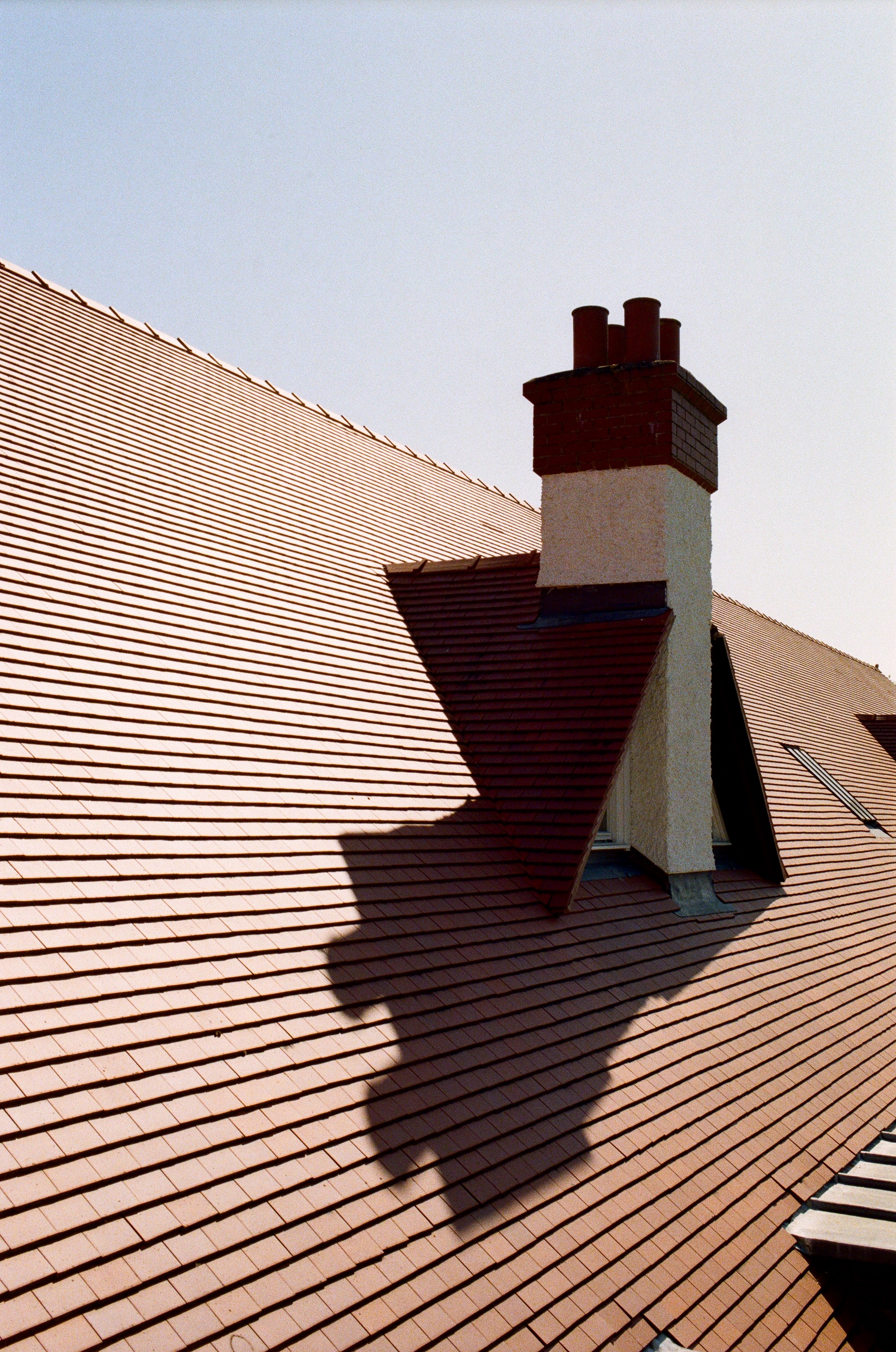
This last set were the left overs from the two rolls that worked without fitting the brief in some way. The two of the roof tops have a style I would have previously shot before this year and so whilst I am pleased with them, I find them derivative of my past work and plenty of other online photographers that do it much better.

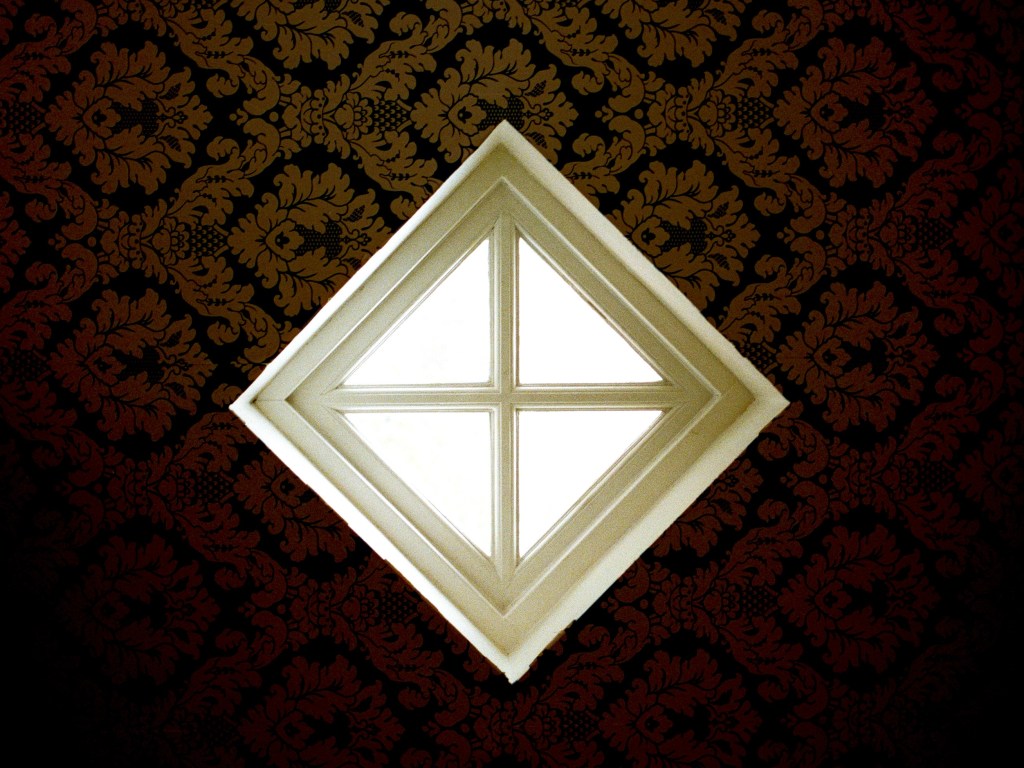
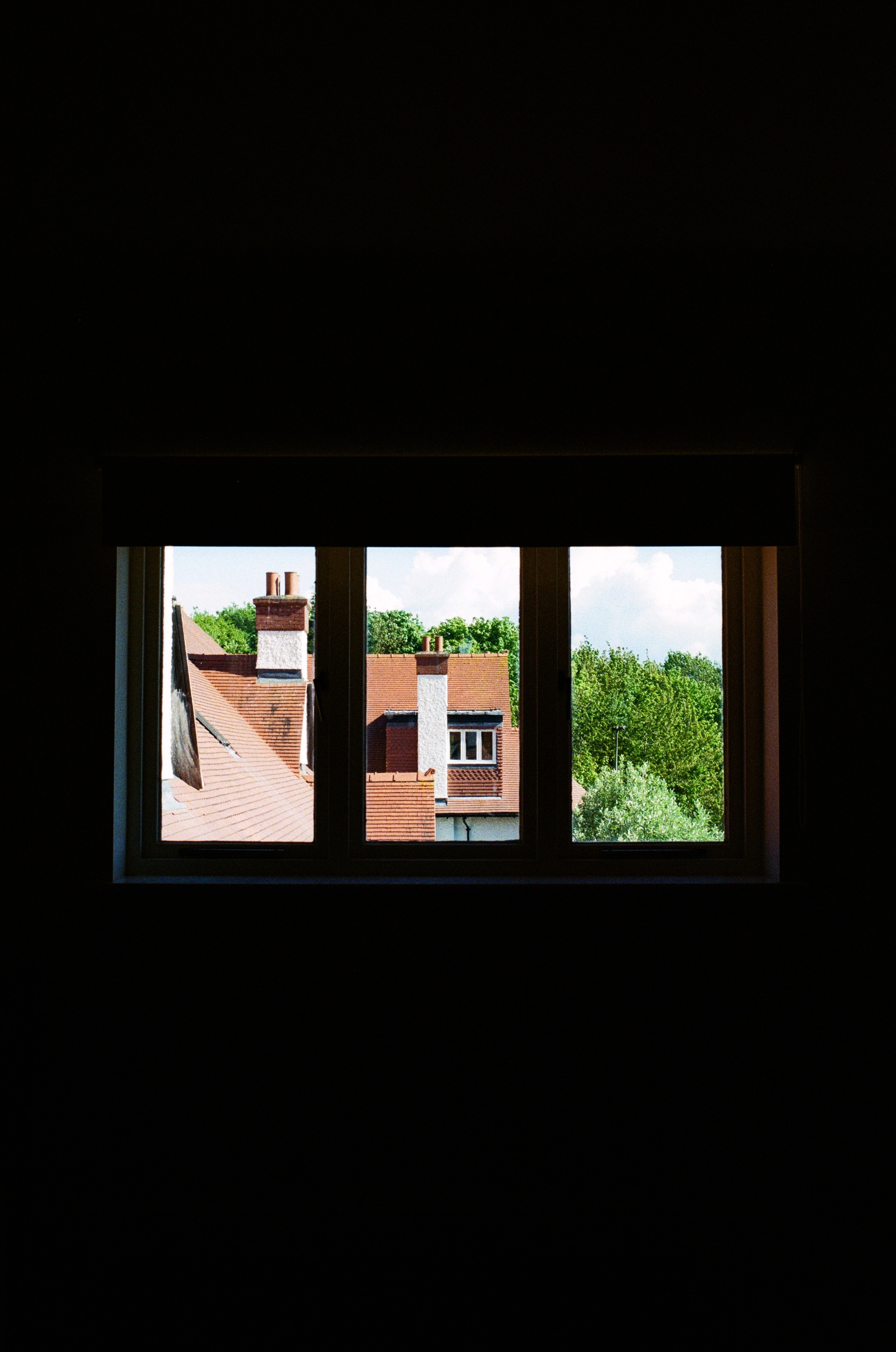
However, the second image through the window shows a decent knowledge of exposure and is the kind of shot I always intend to take but never pull off. Exposing for the outdoors and framing the indoor shadows is fairly simple, yet my lazy tendancy to over rely on the in camera meter and not reframe means I have failed many times at this high contrast, in door – out door style composition repeatedly.

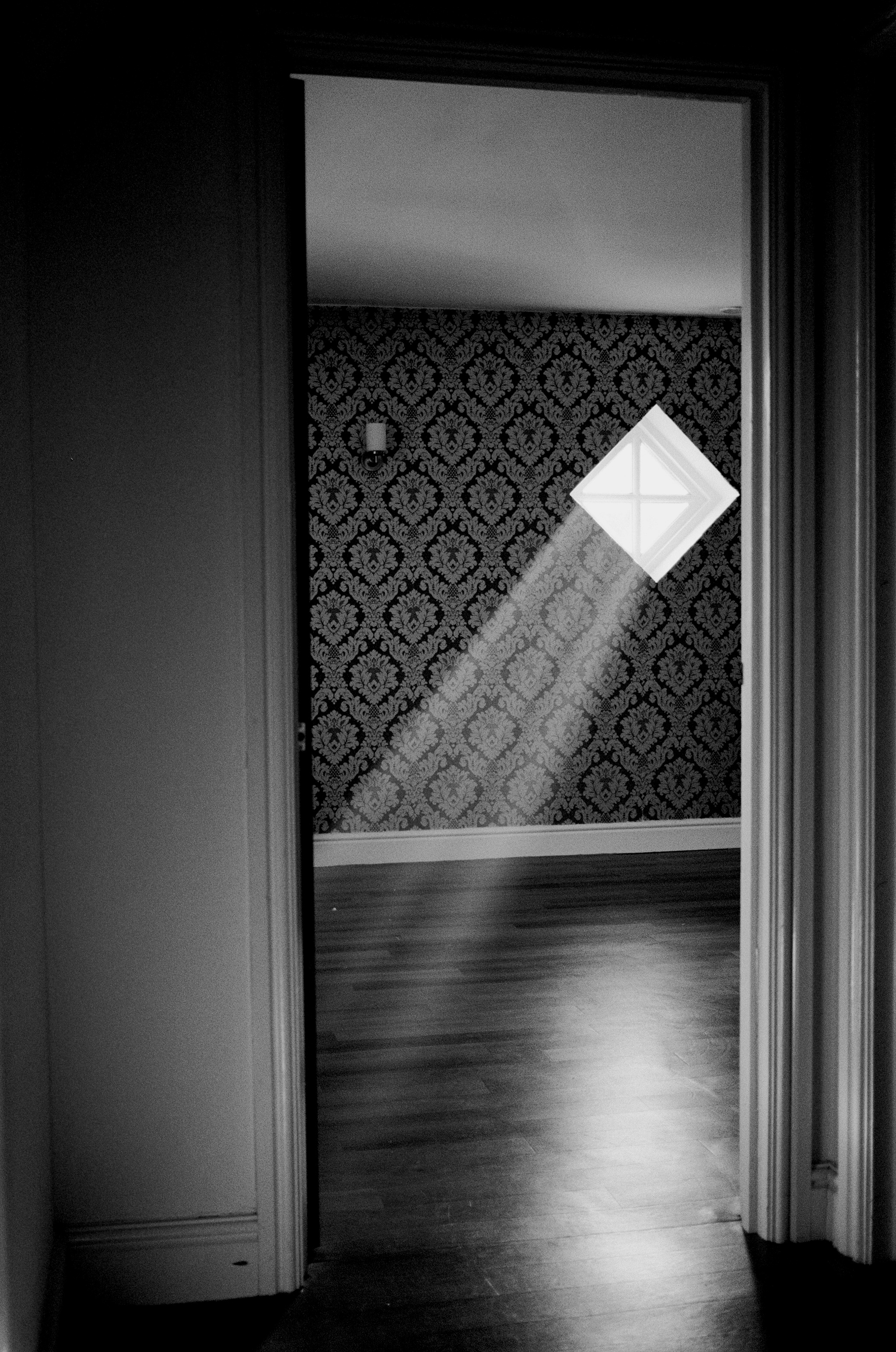
The monochrome image through the door works largely down to the leading lines. I noticed the beam became more prominent after cooking, which reminded me of a story I’d read about Josef Sudek. His assistant was instructed to wave heavy dust sheets back and forth between each exposure, creating the bold lines of light passing through particles in the air in his Cathedral images. My image feels much more domestic and less grand than that of Sudek’s but still has a dynamic arrangement of components.

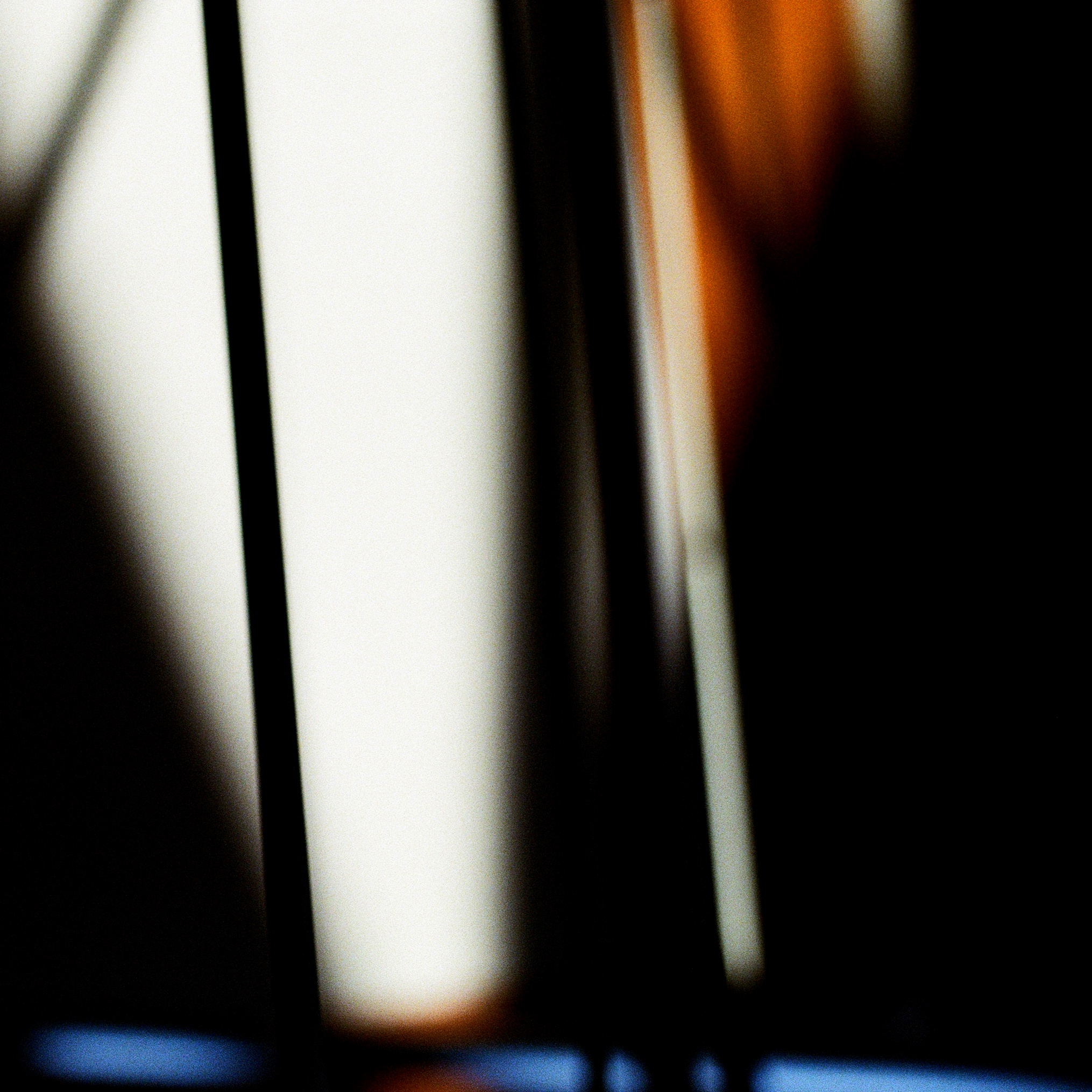
The abstract square image did not fit with the others and really came to life when still in colour, as the streak of blue breaks up the deep contrast of the dappled light and shadow. These are the kinds of abstract images I could look at constantly but find hard to repeat. They are intriguing if you give them time but on the surface resemble little of anything interesting. This is possibly a lesson in the balance of abstraction and still life photography, images that resemble nothing need more attention but images with no subject often don’t deserve it.

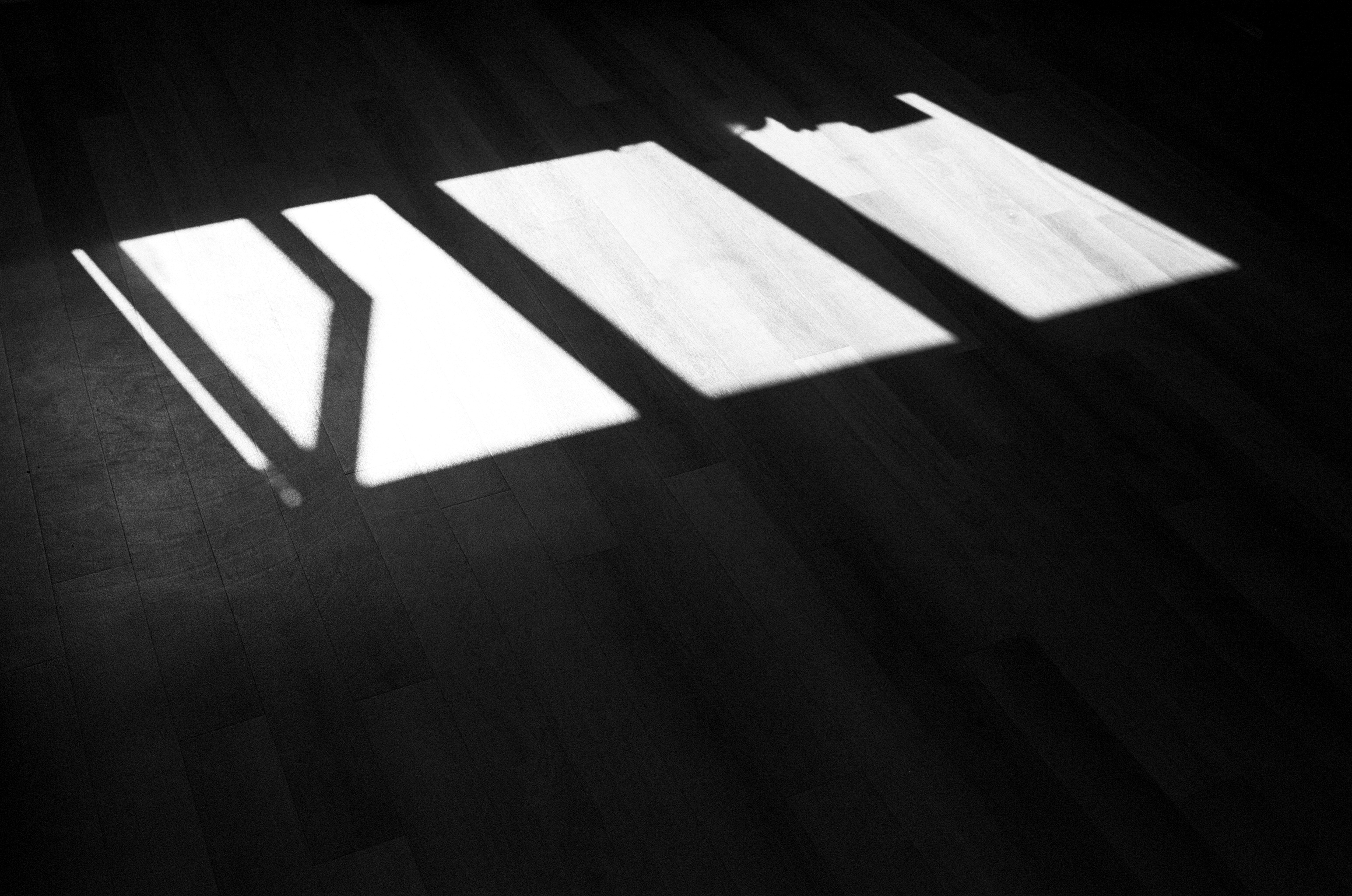
The final picture couldn’t be cropped due to its composition but is fairly striking. Bold light hitting the floor at an angle is a picture I could recreate in any room and often try to do. Probably a lackluster photo for an audience but something as a photographer I can’t help avoiding.

Overall, of the last two rolls there wasn’t much to begin to edit. I seem to get carried away when aiming for abstraction and presume anything at a close distance, unfocused will produce an exciting image. Obviously this is not the case and more often than not it is the more thought out arranged images that I carry forward. The scans were the cheapest I have used and I can’t say the quality has massively dipped especially when I have nothing worth printing yet. I have missed receiving prints but should probably pay for the medium size scan and hope that eventually I will acquire enough images to produce a book or zine. Perhaps the next black and white rolls will bring me closer to what I think I am headed for, and if not I can see myself breaking my minimal restrictions and buying a cheap 6×6 TLR or folder.

Still Life – Square Colour

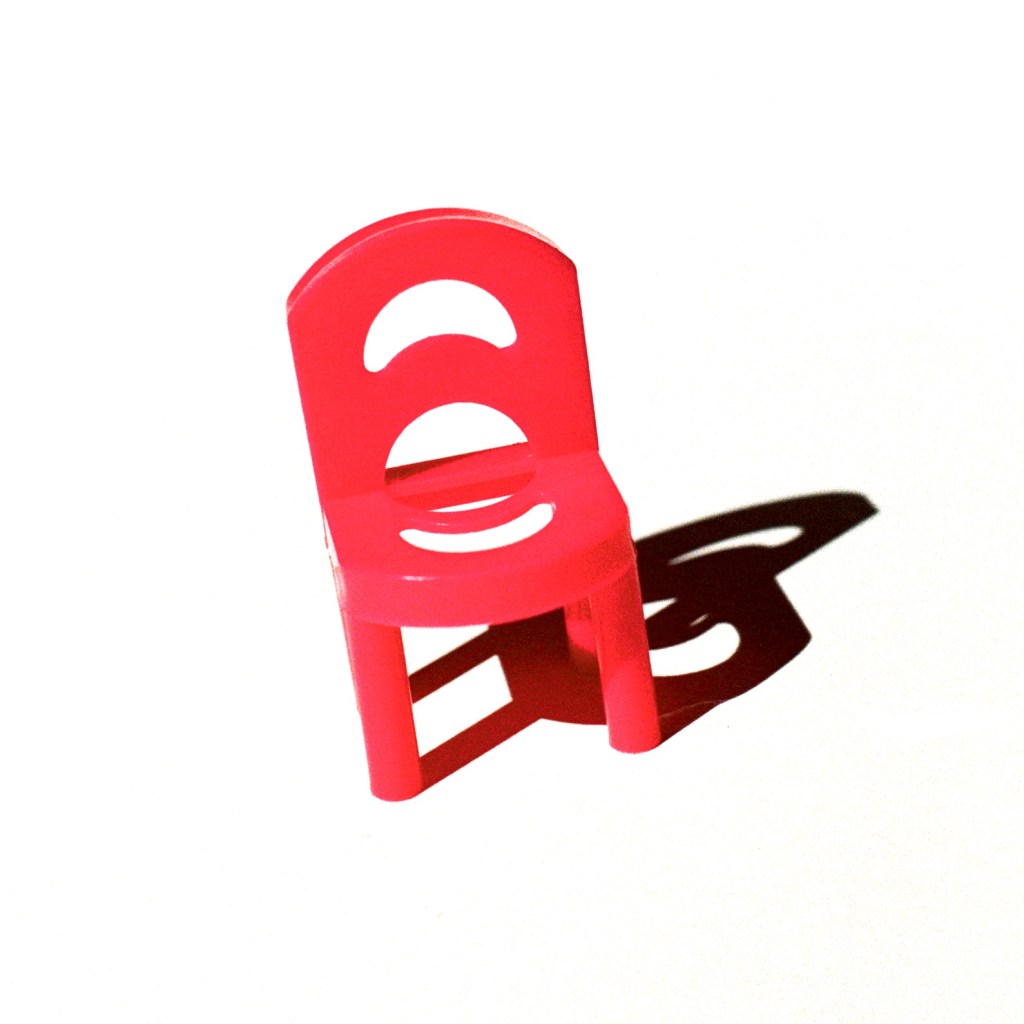
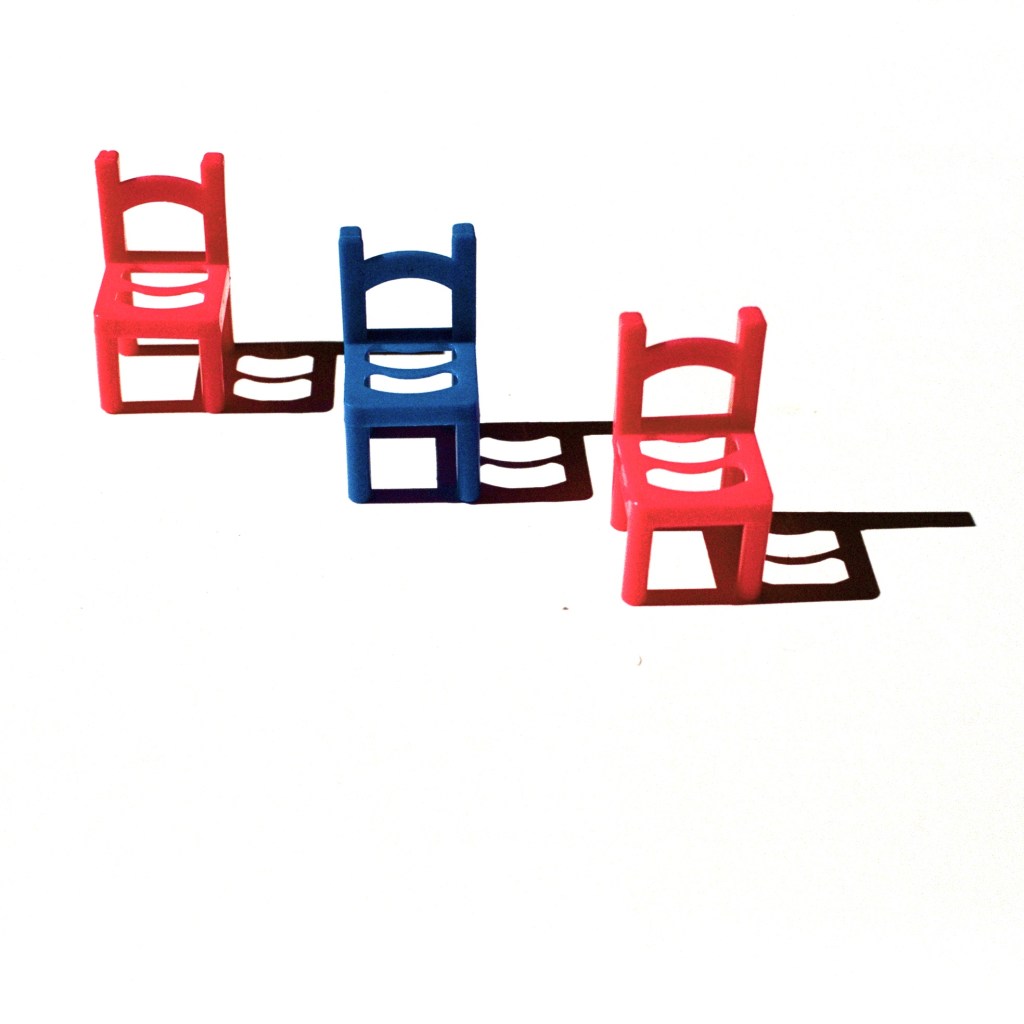
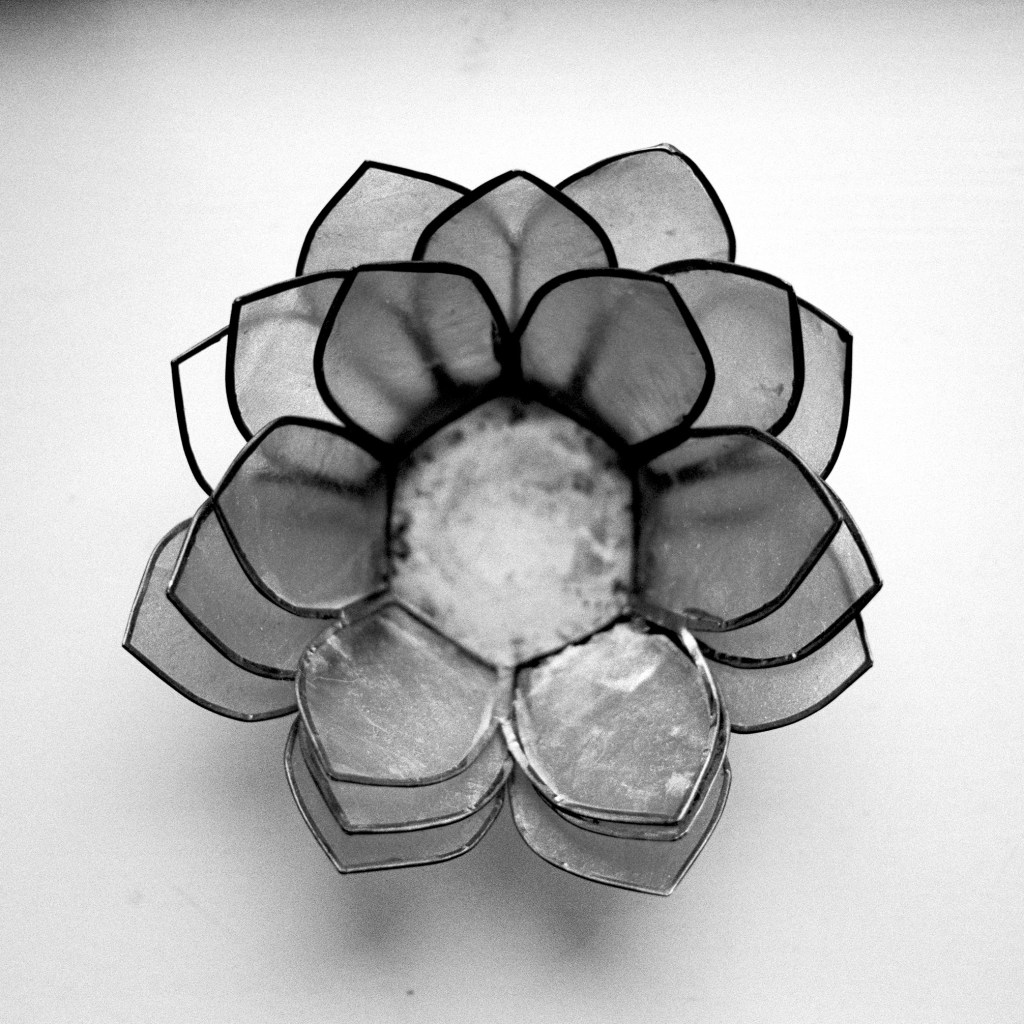
These were essentially unsuccessful black and white photos. The three of the chairs are too clean and commercially aesthetic but together make an impact I couldn’t completely ignore. I suppose the lack of mid tones gives them a studio setup feel that only comes across as cheap product photography and not the fine art simplicity I had originally intended to convey.

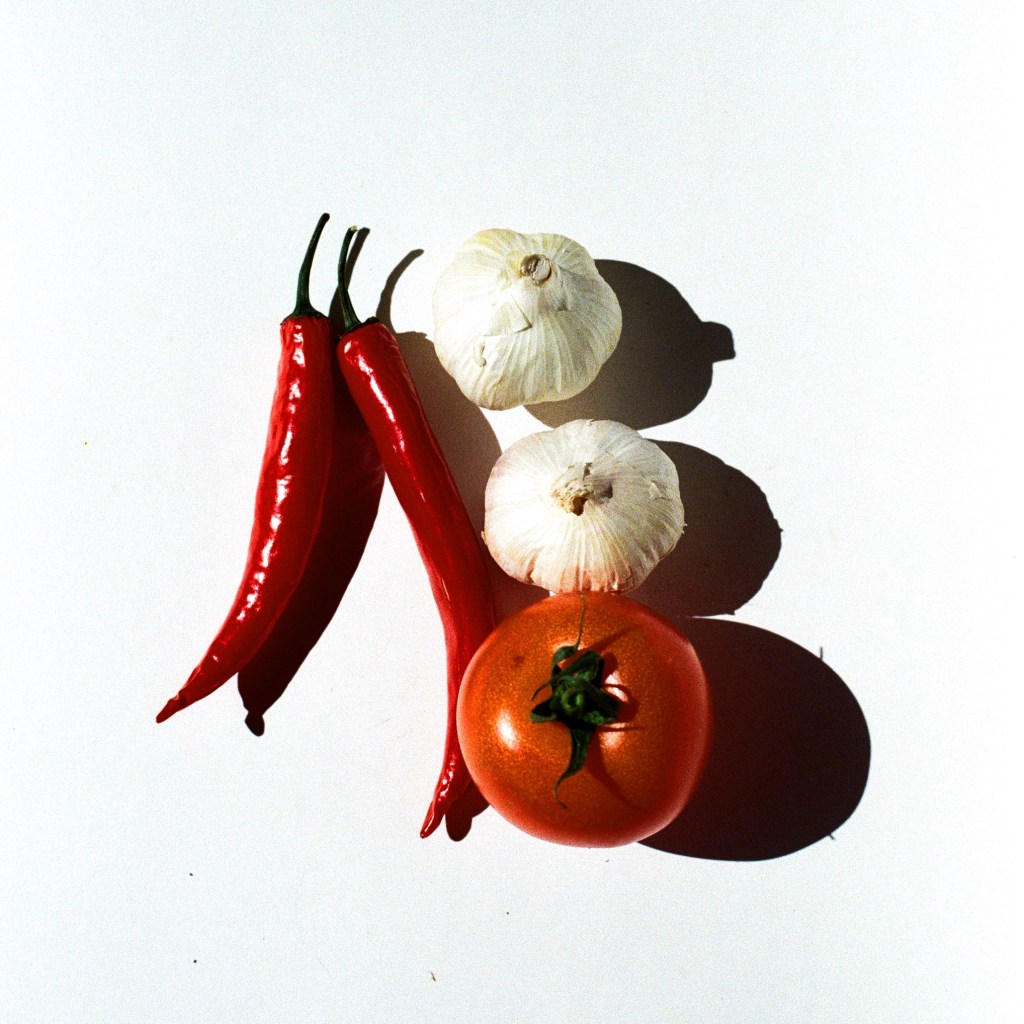
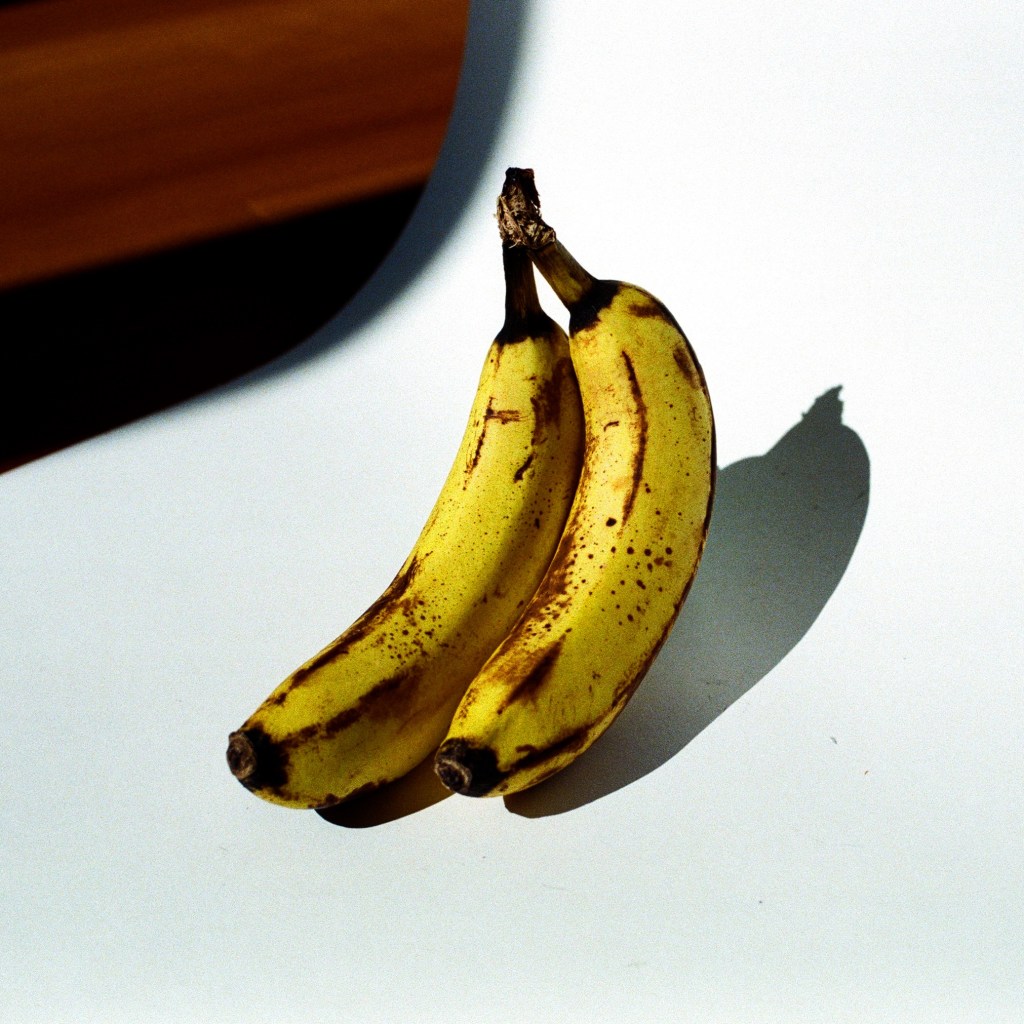
The two of the fruit were difficult to convert to monochrome. I am a fan of the compositions and the flat lay reminds me of a more basic Irving Penn still life.

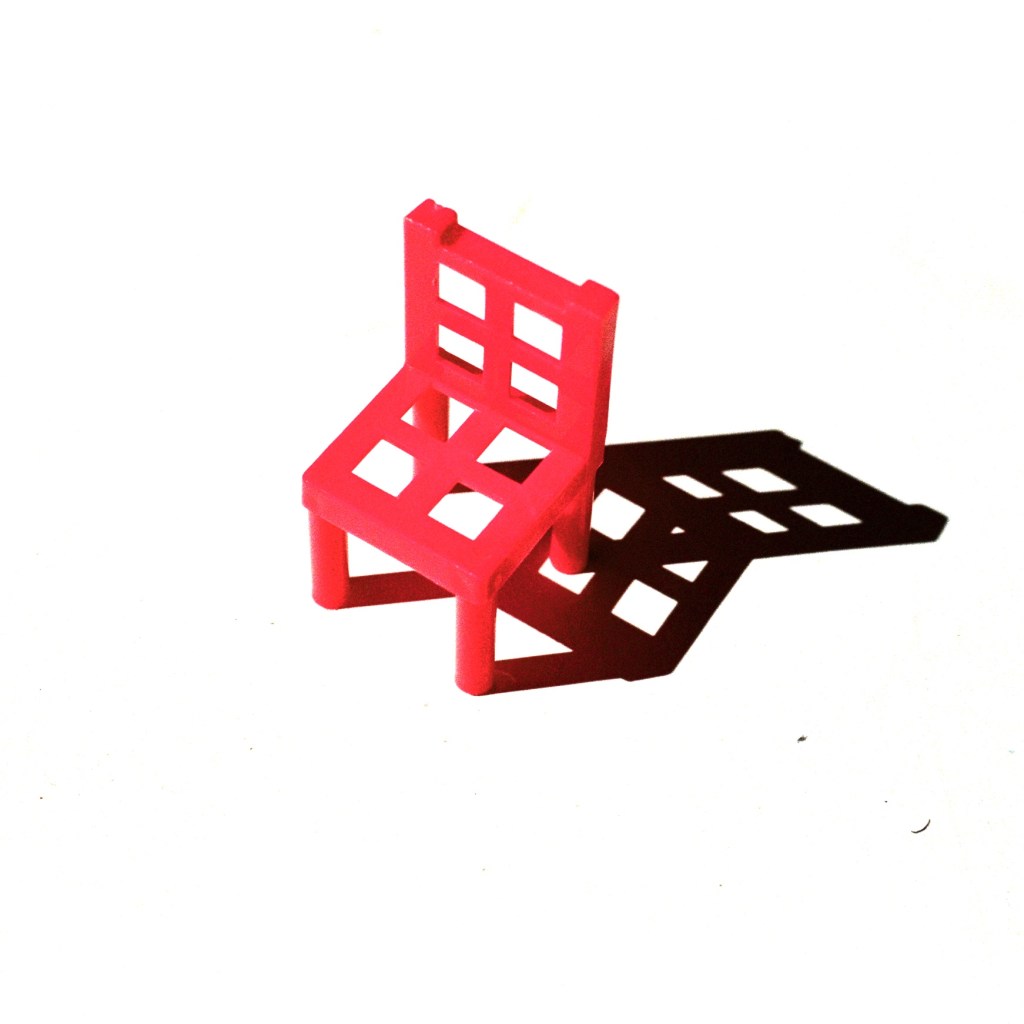
The last image only works alone and I couldn’t give it context despite other pictures having similar or the same components. Of the the three sets this is definitely my least favourite, reinforcing my decision to move to Black and White film.

Still Life – Square B+W

These images are the most in line with the previous rolls. The original idea was to photograph as many of my possessions as possible, which didn’t produce as many exciting image opportunities as I had first thought. The square black and white format is definitely the easiest to work with. The less variables; the more creative ideas you are forced to produce and this shows when compared with the 3×4 colour images.

The more abstract pictures this time seem dull next to the still life photographs. This could be because I’ve repeated the methods I’ve used for abstraction or just a lack of imagination on my part. I still feel somewhat false by desaturating and cropping the colour scans and so feel the urge to at least buy black and white film next to time, without going as far as acquiring a 6×6 medium format camera. I would be interested to see if I could come close with a cheaper digital camera, but imagine I would again feel like an imposter. Having said that, the images aren’t exactly high spec or technically special. I am sure I would be happy with the results of a similarly edited digital image in this style. The next two sets vary slightly from this approach.

Abstracts #1

I have always toyed with the idea of pursuing an abstract long term project but never felt my approach was genuine or organic enough. I think if someone creates abstract art then they should dedicate a serious amount of time and thought into the area and learn to push the limits of the medium. Since my recent documentary projects seem to have come to an end due to the lockdown, I used up the remainder of a roll to photograph some objects in our flat. I tried to distort the objects in some cases and play with the available light. I would really like to have taken these images on a 6×6 medium format camera, however I know I should make the most of the equipment I have to achieve a similar result. This has made me feel the images aren’t as authentic as I would like them to be but I know Arnold Newman was a huge advocate of dark room cropping. I just wish I could at least frame for square format in camera and give some intention to the composition, as well as photograph in black and white without digitally desaturating. Regardless, I am a fan of these images and have decided I should photograph as many objects in our flat as possible on my remaining rolls of film. I always think a good photographer should be someone who can be in any scenario with any camera and still create a compelling image. I have a great camera, plenty of time and tons of things to work with, so I have no excuses.

This was the only image I found hard to convert to black and white. The colours have a gradient from the centre outwards and once desaturated, the image really lost its dynamic draw and felt dull.

Wheelers Ladies

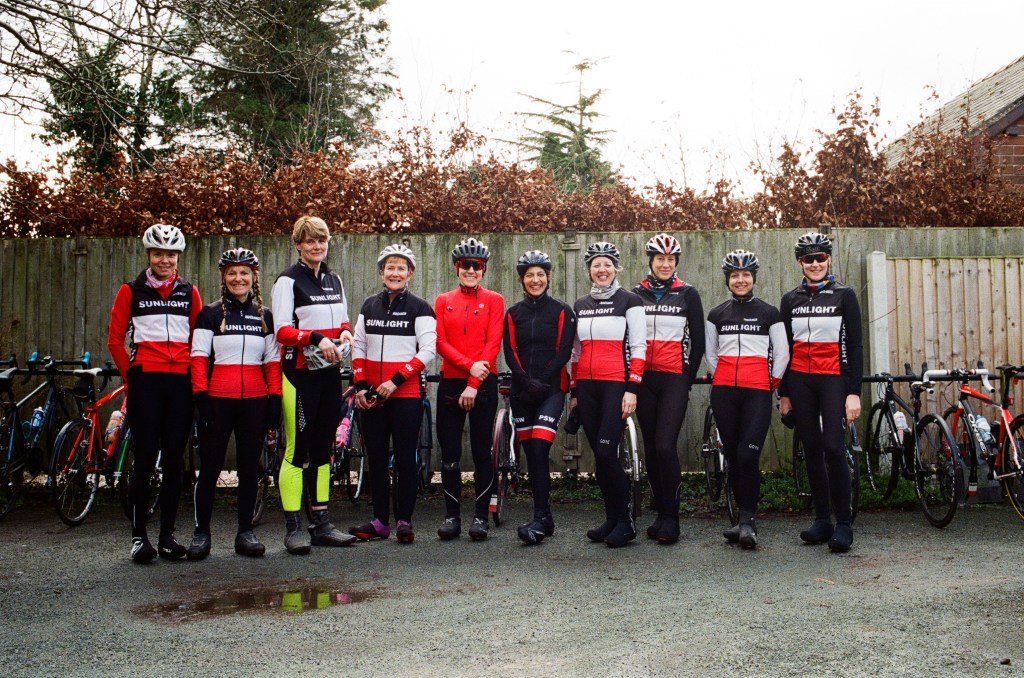
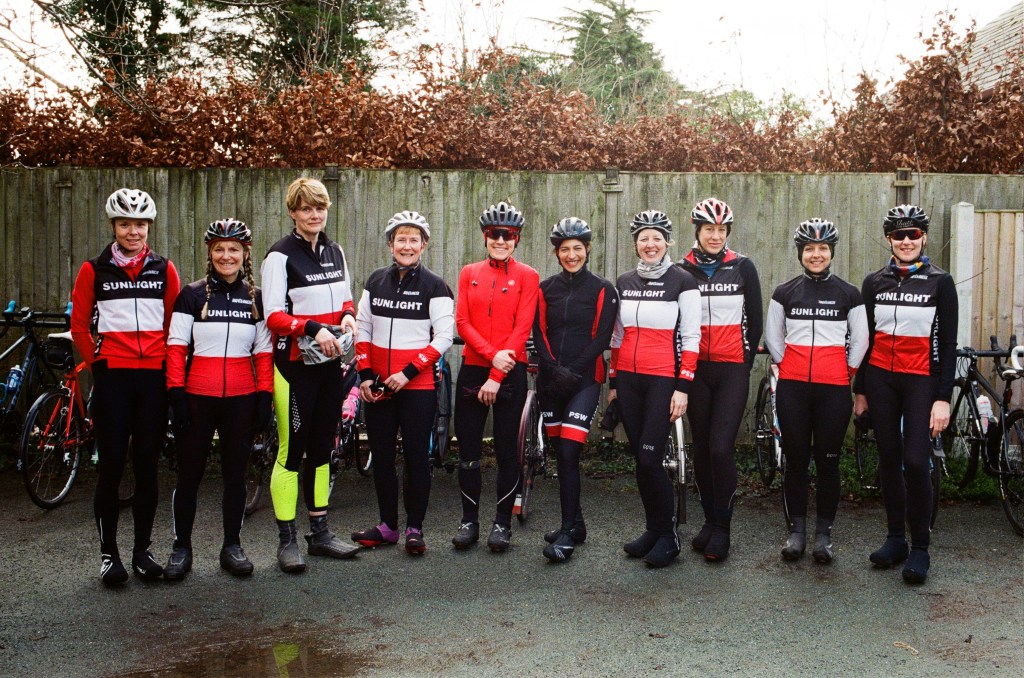
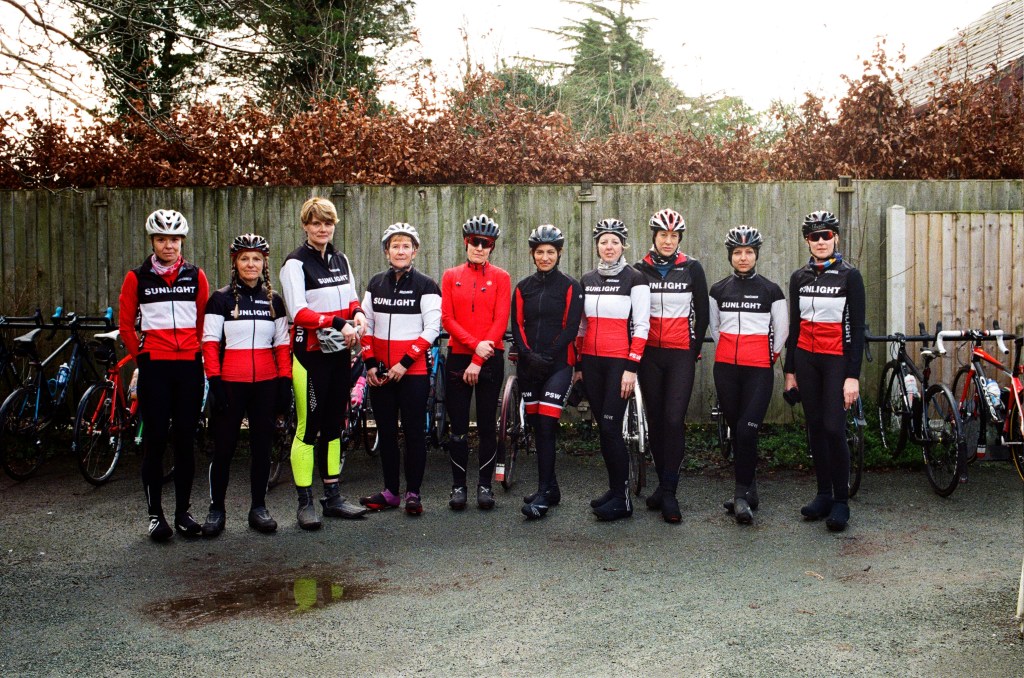
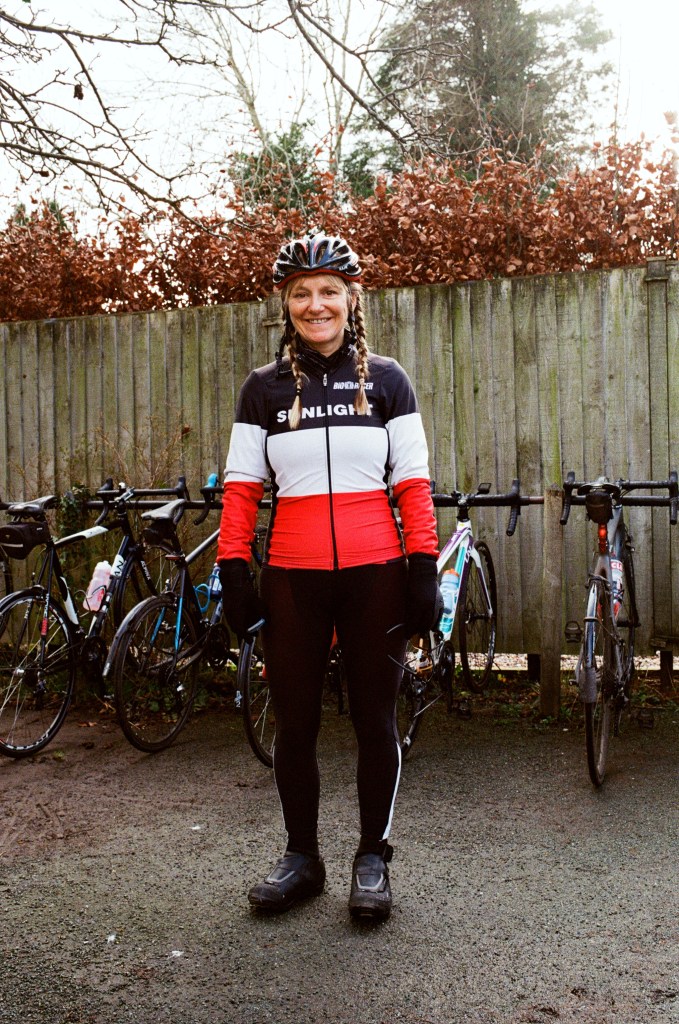
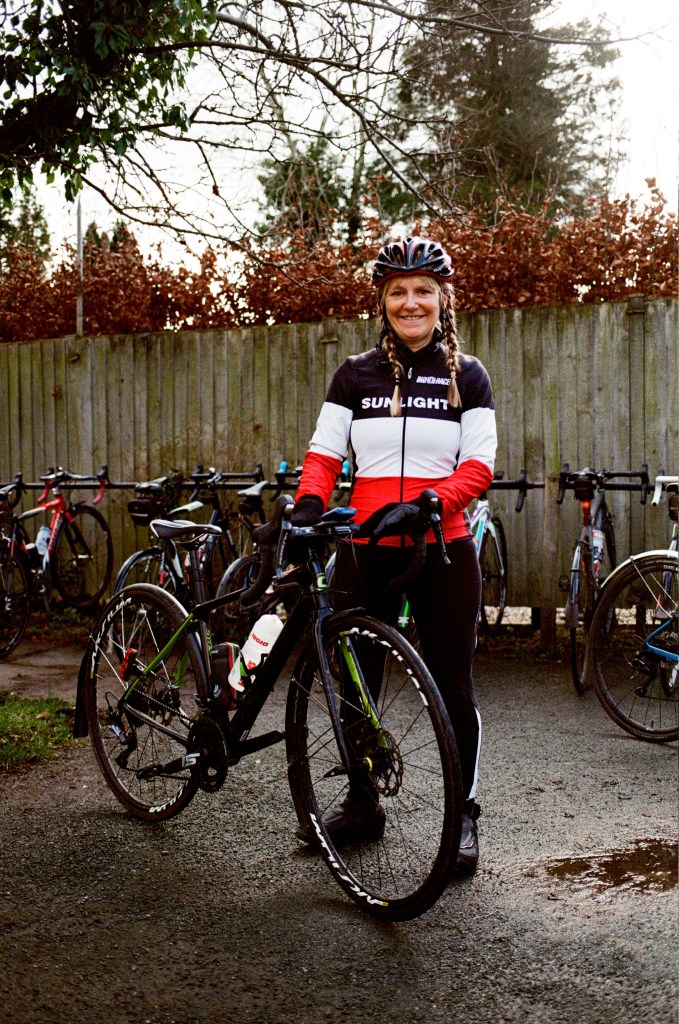
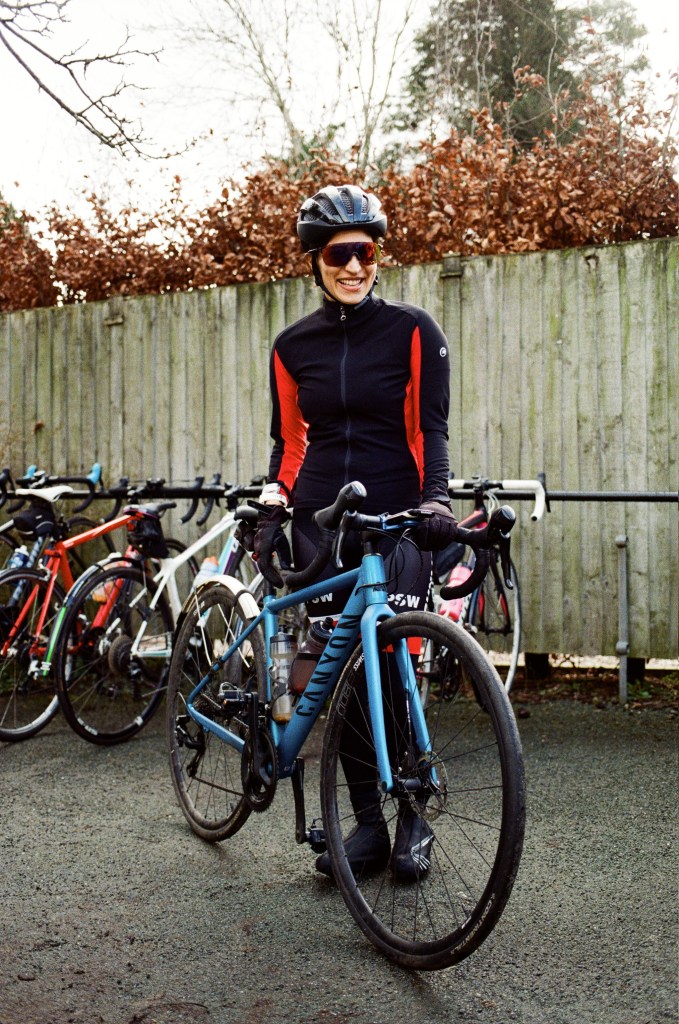
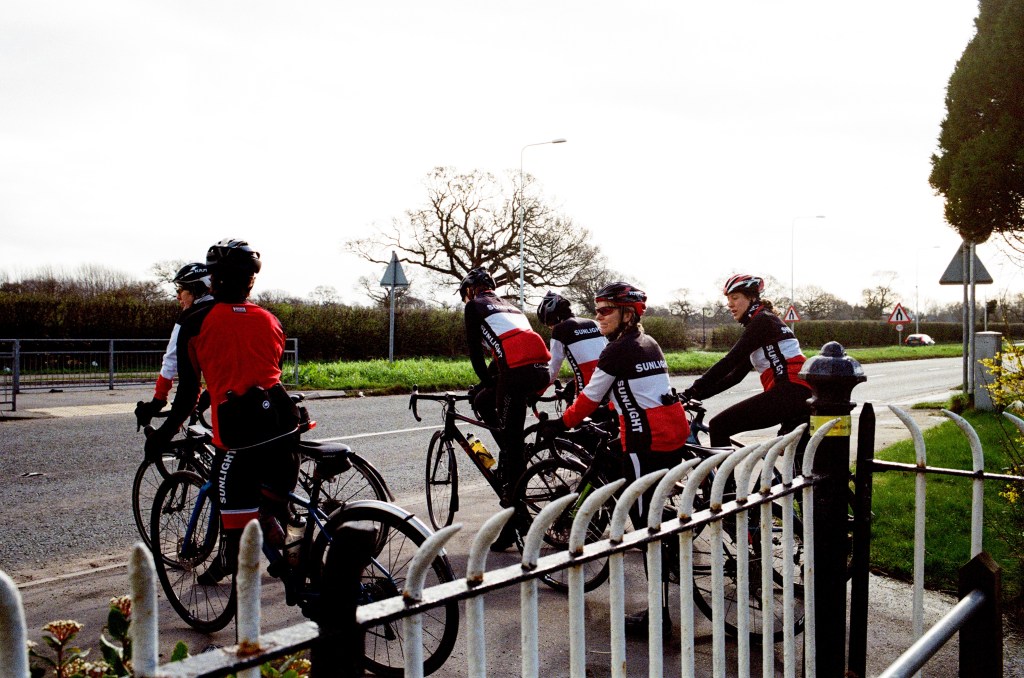
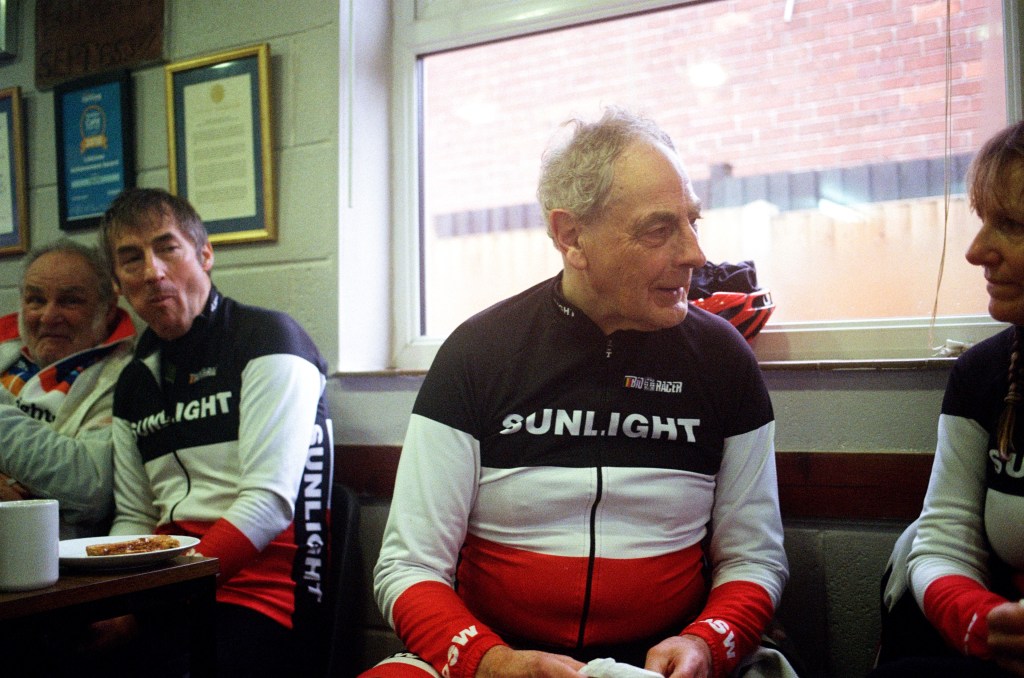
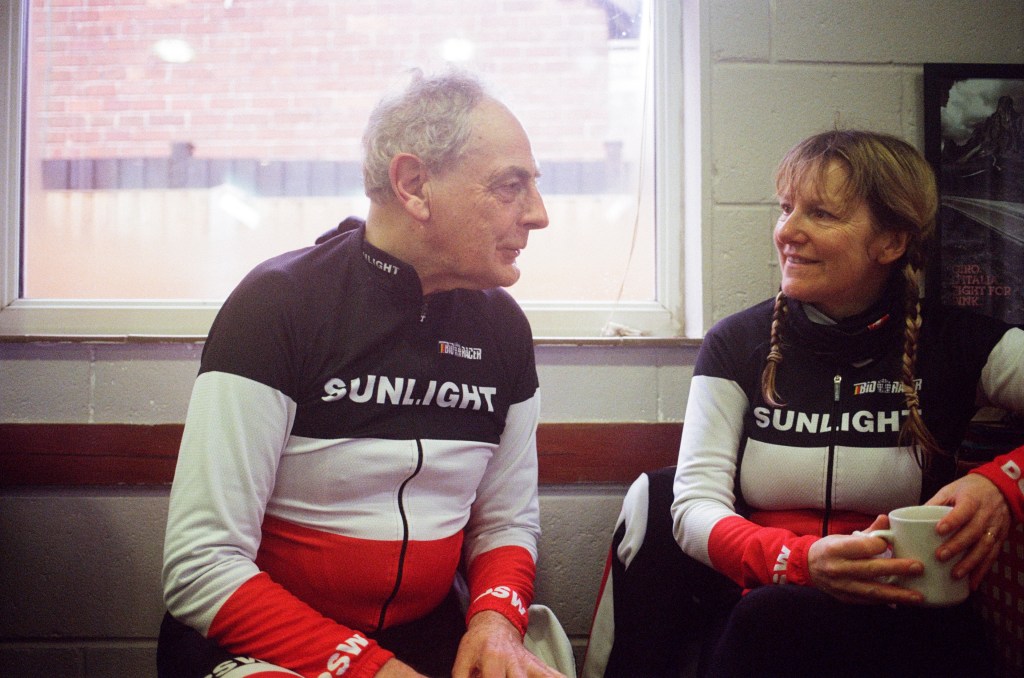
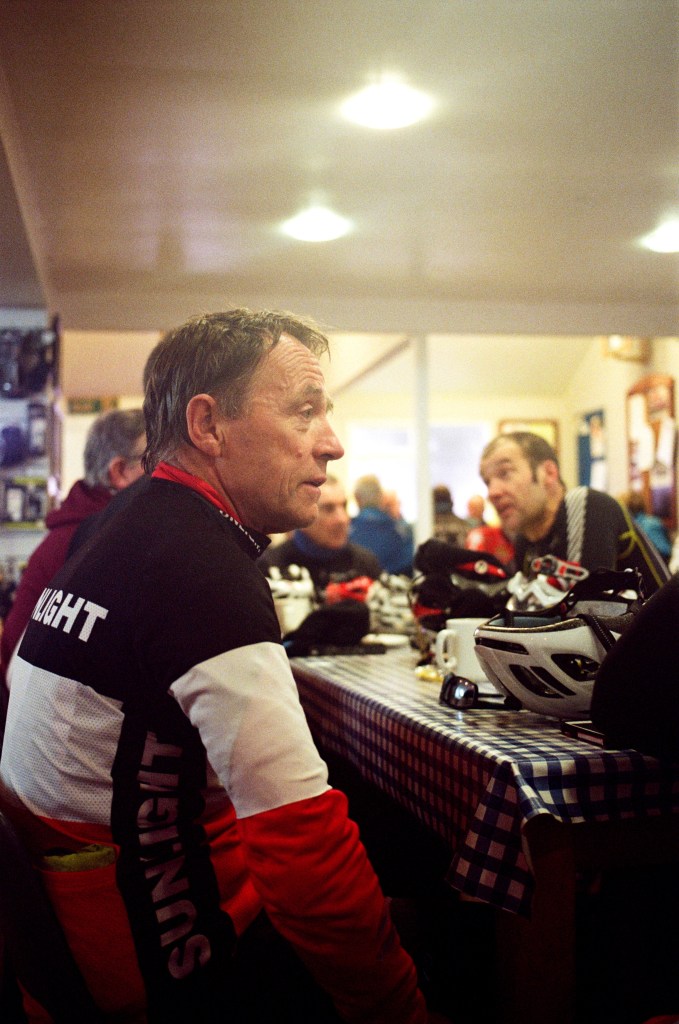
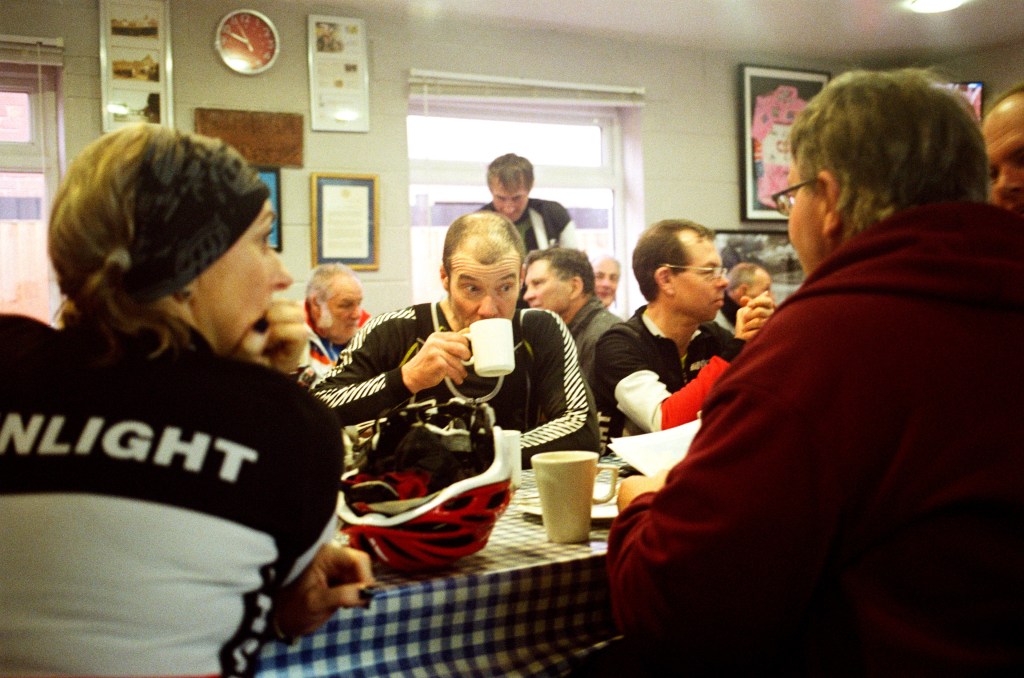
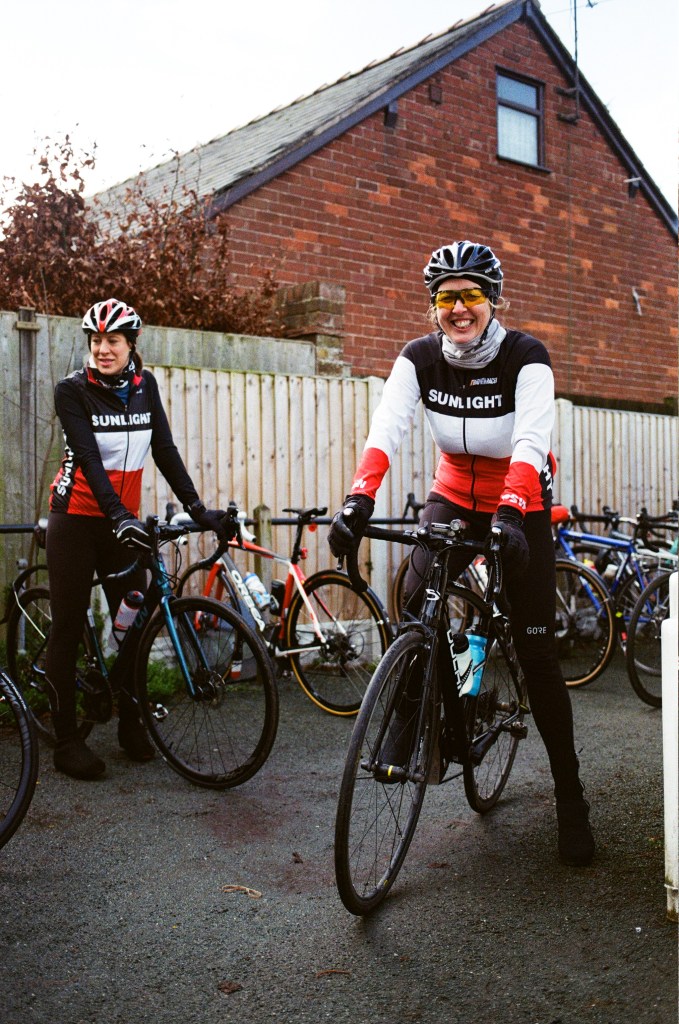
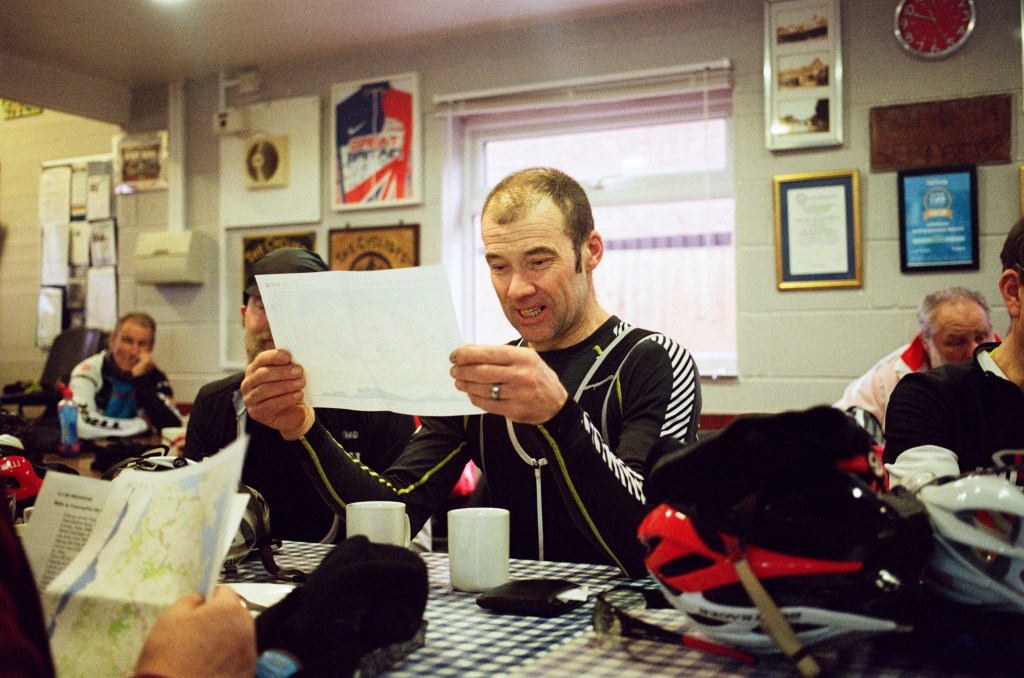
A few weeks back I went over to the cyclist cafe again on a Saturday morning to meet the ladies team. I got a great response and felt I was a lot more at ease with this team than with the mens. I think the results are a lot more in line with a finished professional product than what I had previously made. However due to the current coronavirus situation my three Port Sunlight projects have most likely come to an end. The majority of the people involved in the brass band and bowls club are of the age were they are being advised to self quarantine for a possible 3 months. Things may change further on in the year but as for now I am going to commit to a new project that is something far removed from this documentary style, regardless of how pleased I am with these new images.

Port Sunlight Wheelers #1

My first trip to meet the Wheelers was at Eureka Cyclists Cafe. I arrived in the middle of a storm after postponing because of the same weather conditions the week before. I got sat down with one of the riders and one of the recovery drivers, who filled me in on how the weekly rides usually go. There was a lot of technical detail I struggled to keep up with, as well as a lot of nodding and questions on my part. The setting was brilliant for a club type atmosphere and managed to frame the few images I grabbed really well. Unfortunately my camera had fully fogged up with condensation, and so after panicking through around ten shots, I was sure none of the images would be usable. I sat with Gill, who I had been contacting via email. She was very friendly and made me feel comfortable taking images, regardless of a few less than keen riders. I will definitely return on the Saturday rides in the future to meet the ladies riding team and hopefully build up a good rapport with the team.

Lyceum Brass #3

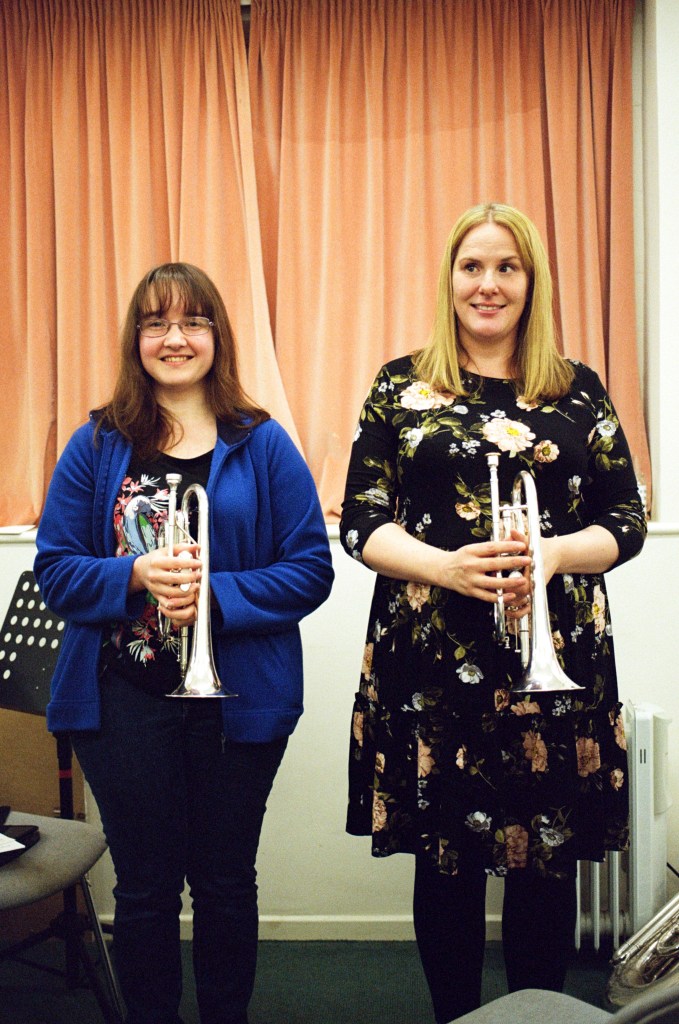
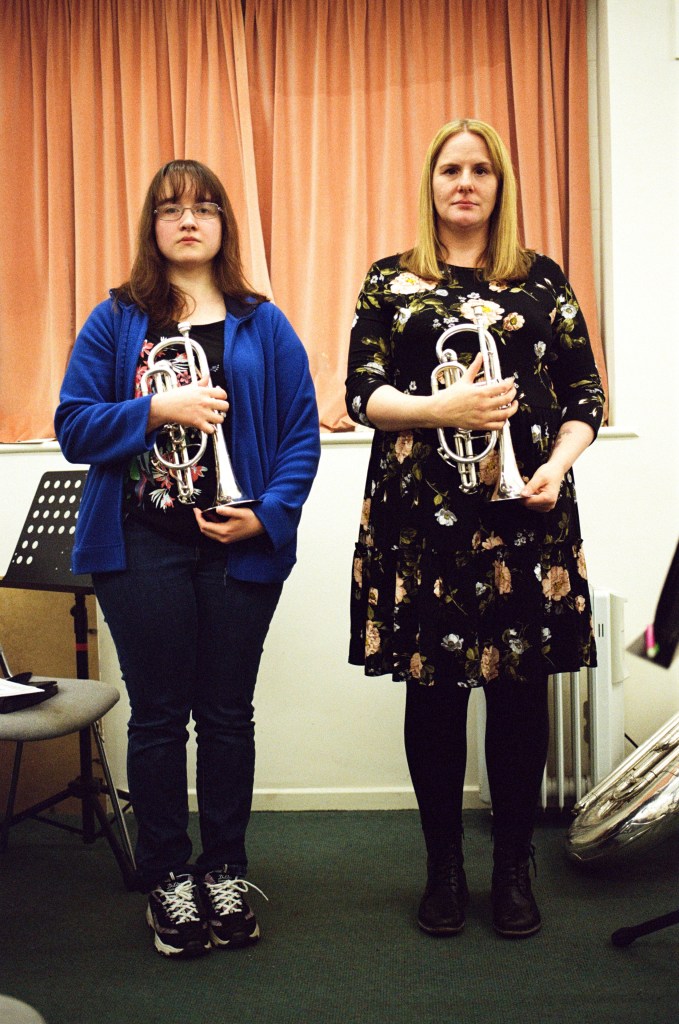
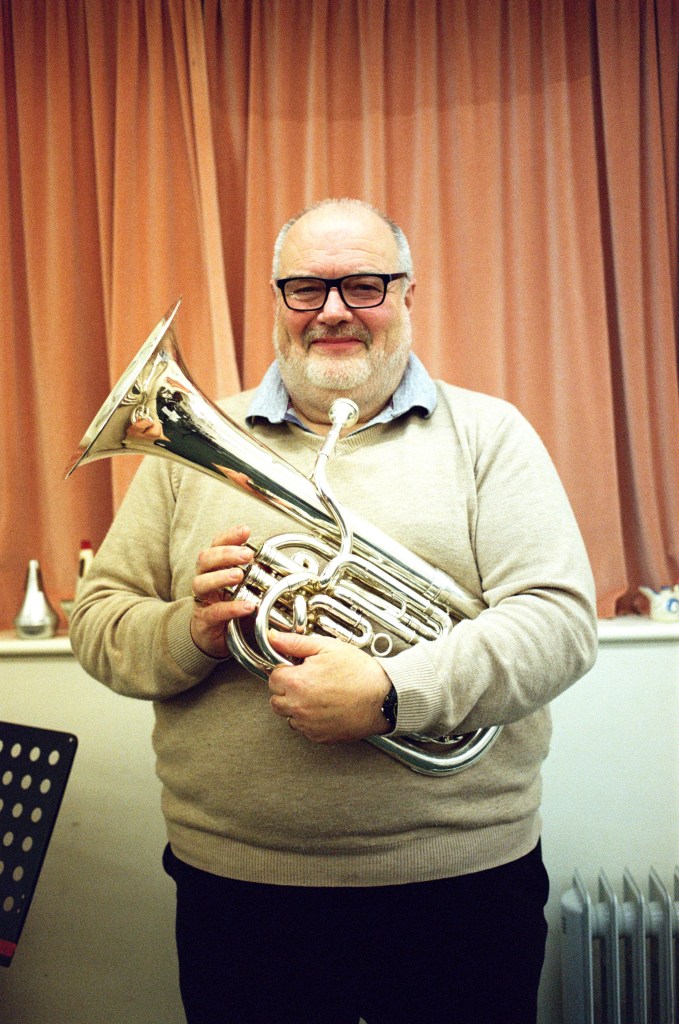
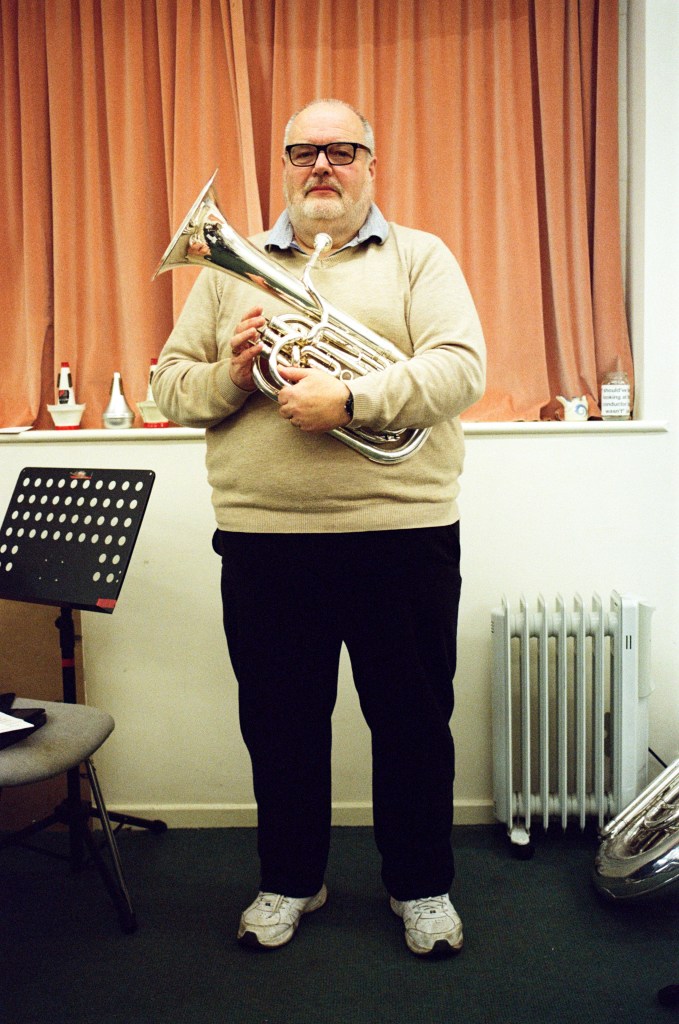
Having had a few weeks away from photographing the band, I had moved my attention to the other photo opportunities that had come up. The Port Sunlight Wheelers have now been in touch and so after my less successful session with the band last time, I was starting to think it might be time to move focus to different clubs. I also thought that maybe my expectations of the Brass project should be reigned in. The small pieces of interviewing I had done were starting to not seem relevant or useful. However, I forced myself to go back just so that I could keep up a more positive relationship with the band members, as not everyone present seems keen to have their picture taken and I definitely cannot blame them.

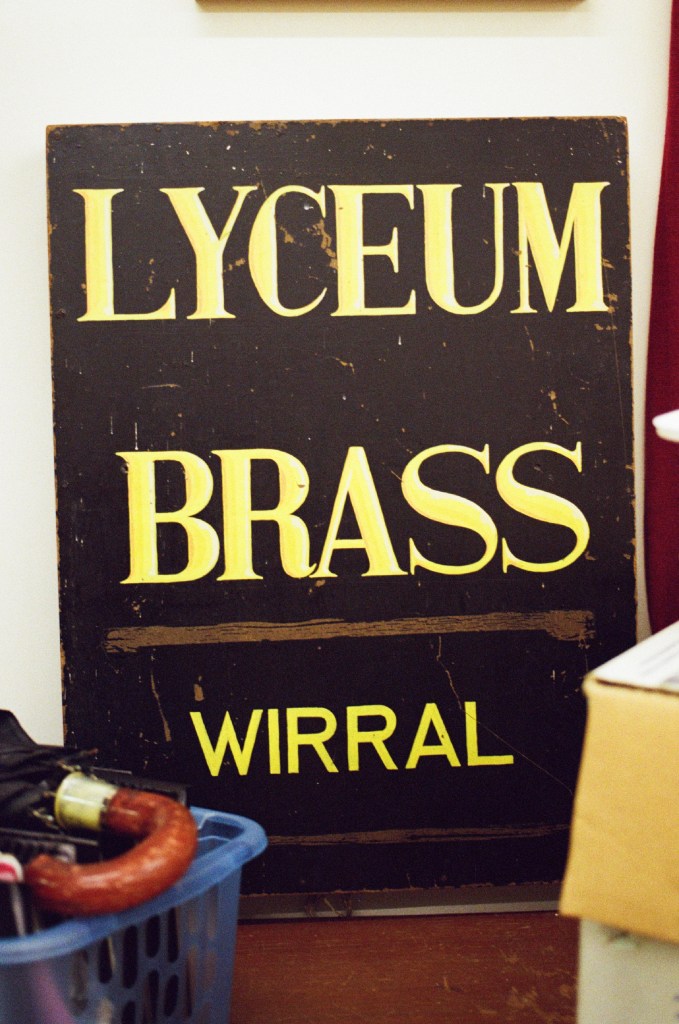
On arrival, Ralph was very pleasant and asked what they could do for me this time. I told him I thought I could grab some images of their memorabilia and he immediately pulled out a large 3 feet square clip frame. It was a collage of images and paper cutouts from a tour the band had performed in 2013. This seemed funny to me, as the room is littered with trophies dating back to the 70’s, a golden framed Lyceum Brass neck tie and even a burgundy v neck jumper with the band logo on the chest. Once I had grabbed some images of the artefacts (and used up the last of a roll of film), I smiled and said hello to a member of the band I’d not spoken to before. He asked how the project was going, with a hint of skepticism. He said how he’d heard Ralph had been sent some photographs but he was yet to see them. I unfortunately only had my phone to show him the first 8 pictures, but his reaction was brilliant. Even the shots I felt might have been somewhat tongue in cheek, or more humours, he seemed to really enjoy. Once I get a positive conversation with someone before hand, it gives me an open pass in my mind to photograph them without questioning myself. This in turn means that anyone in a similar area is under the same state of mind via proxy.

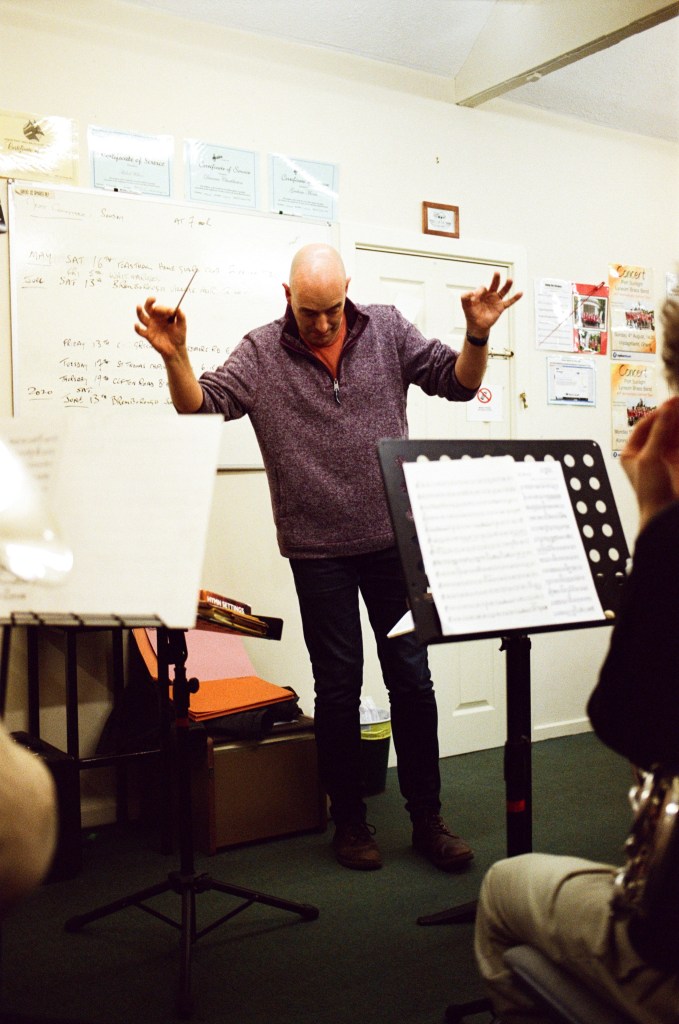
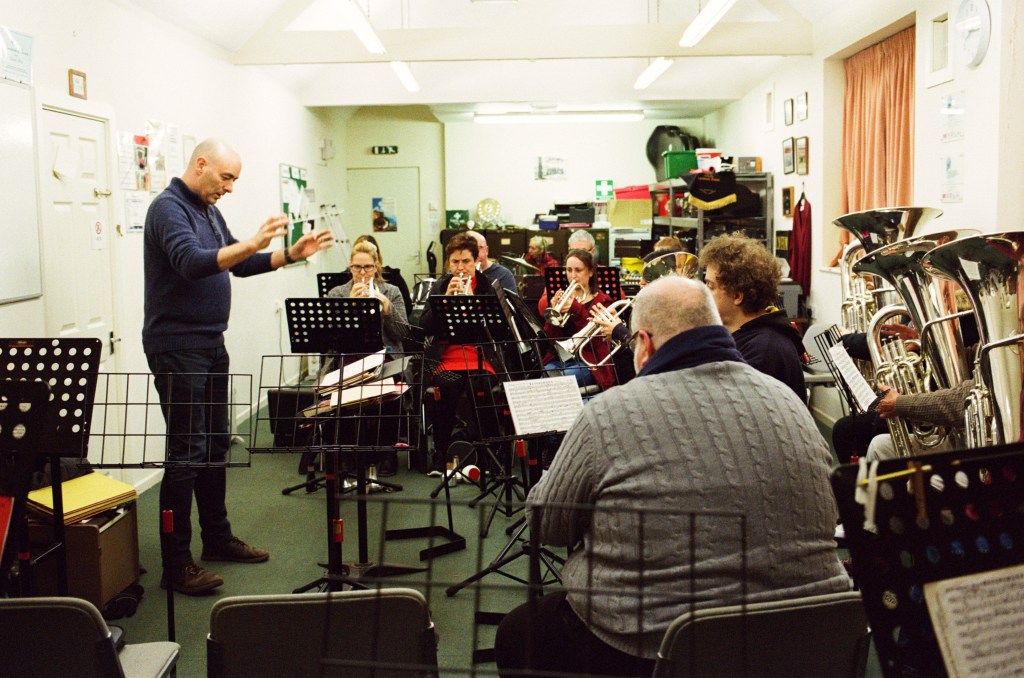
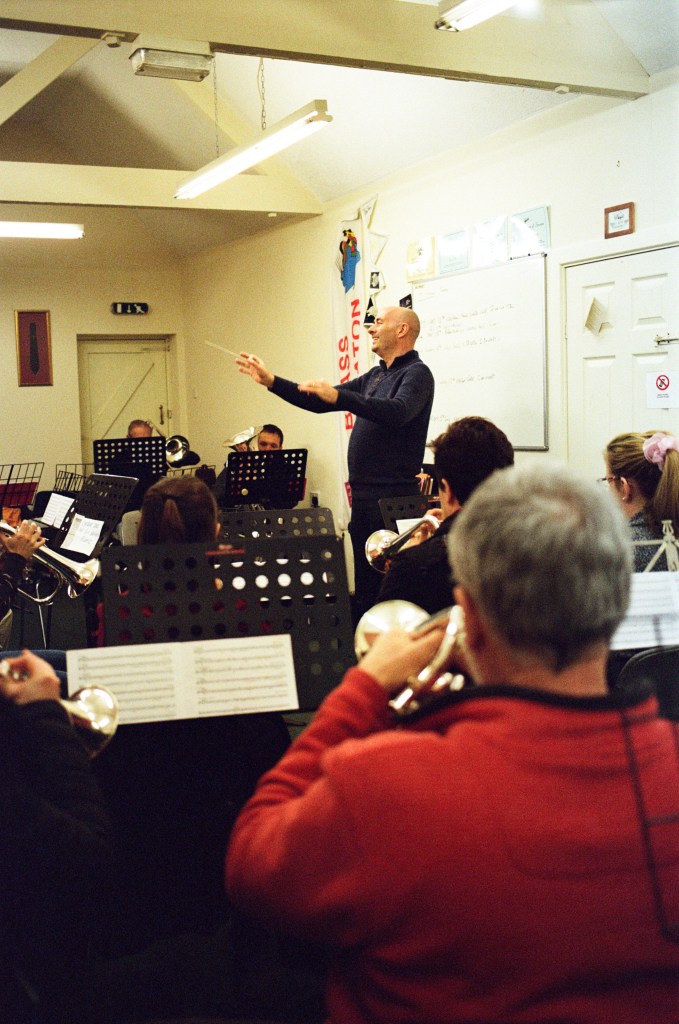
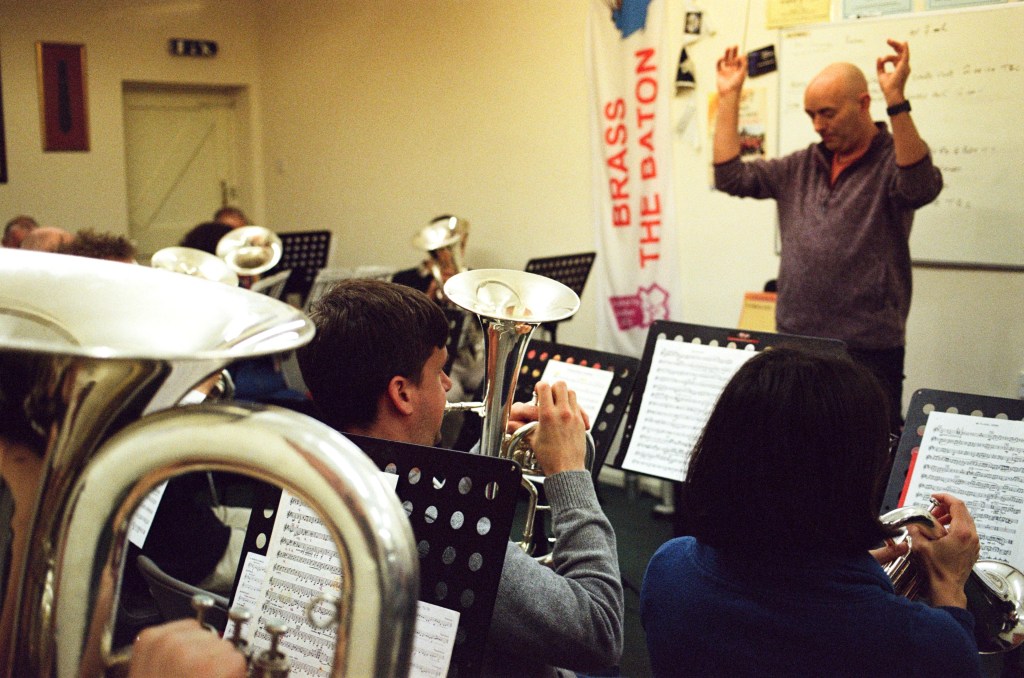
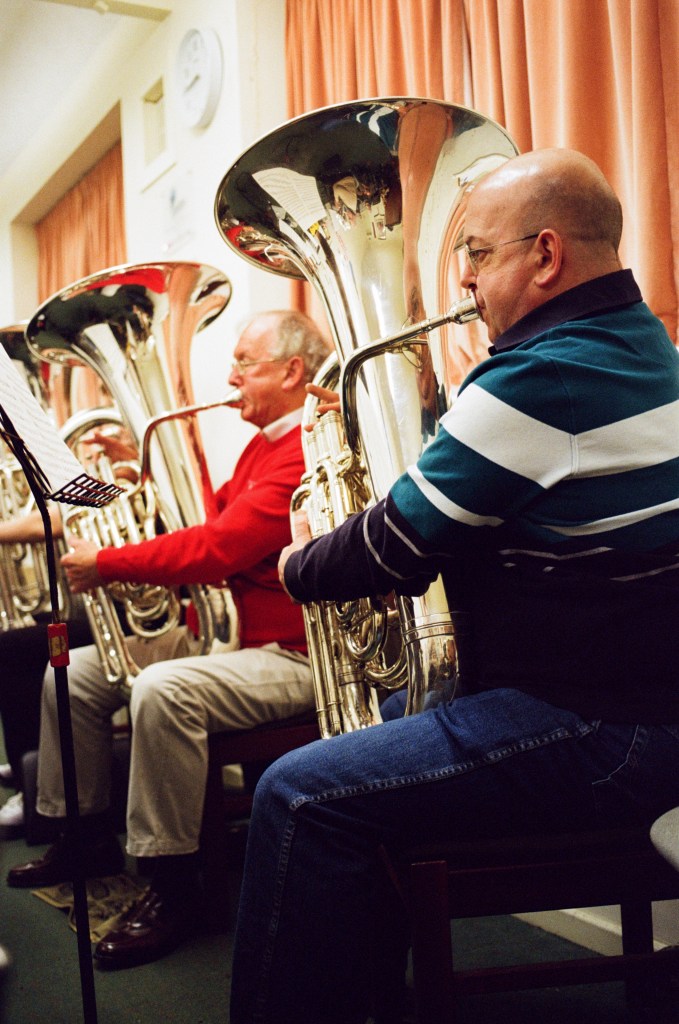
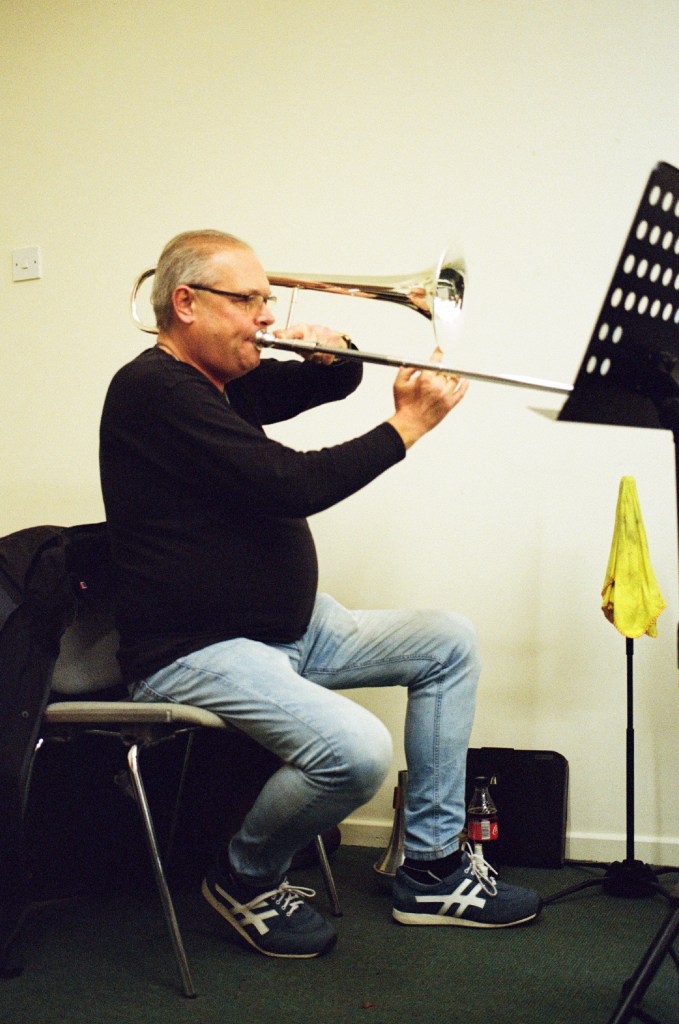
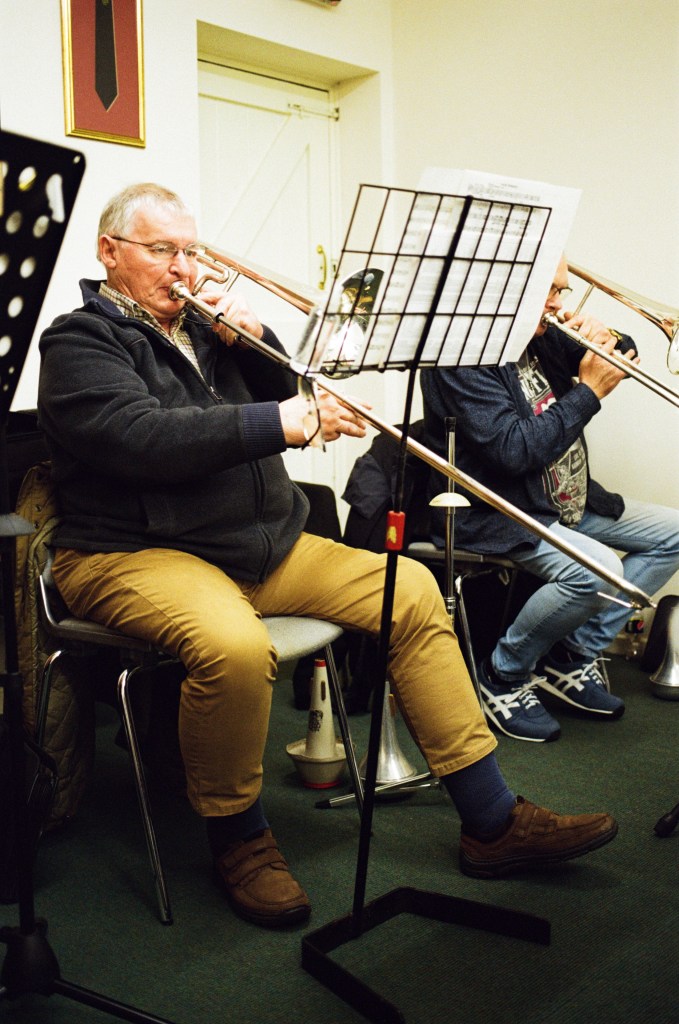
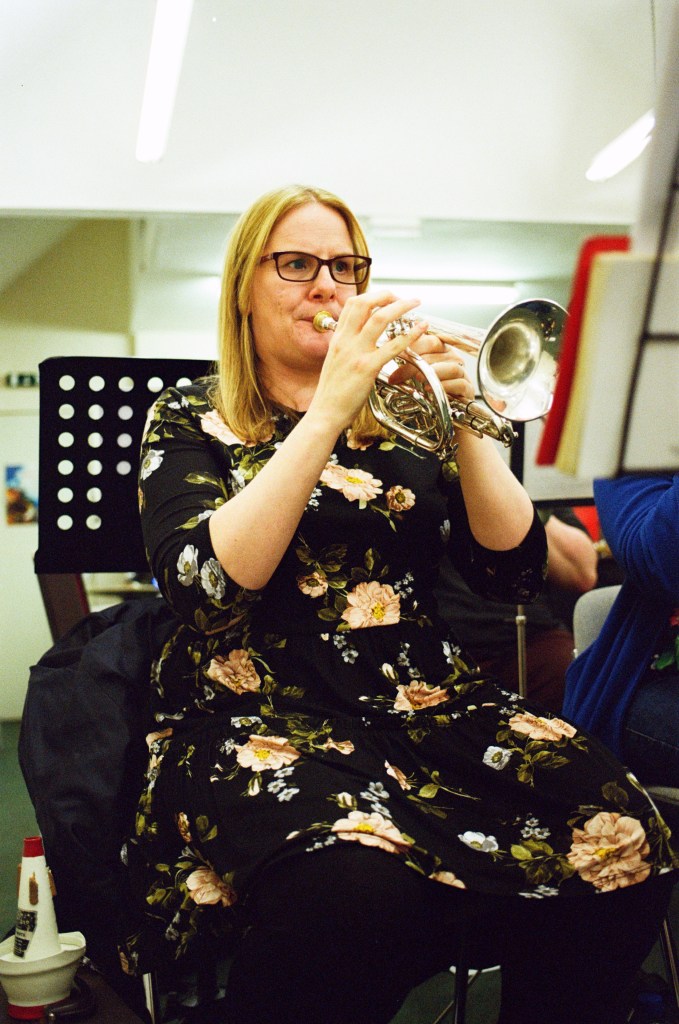
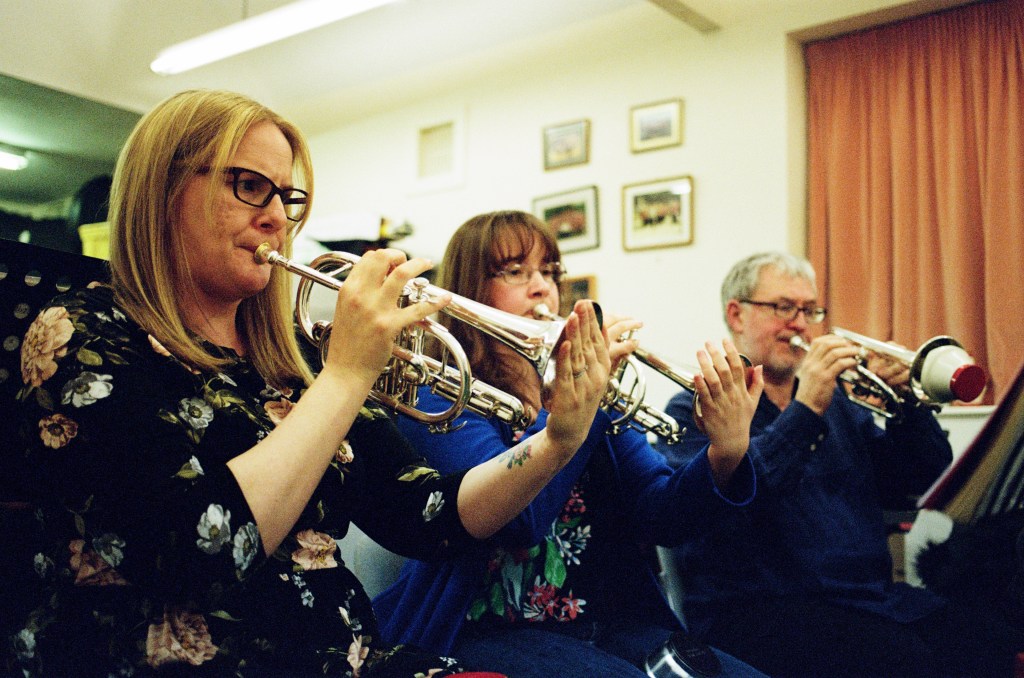
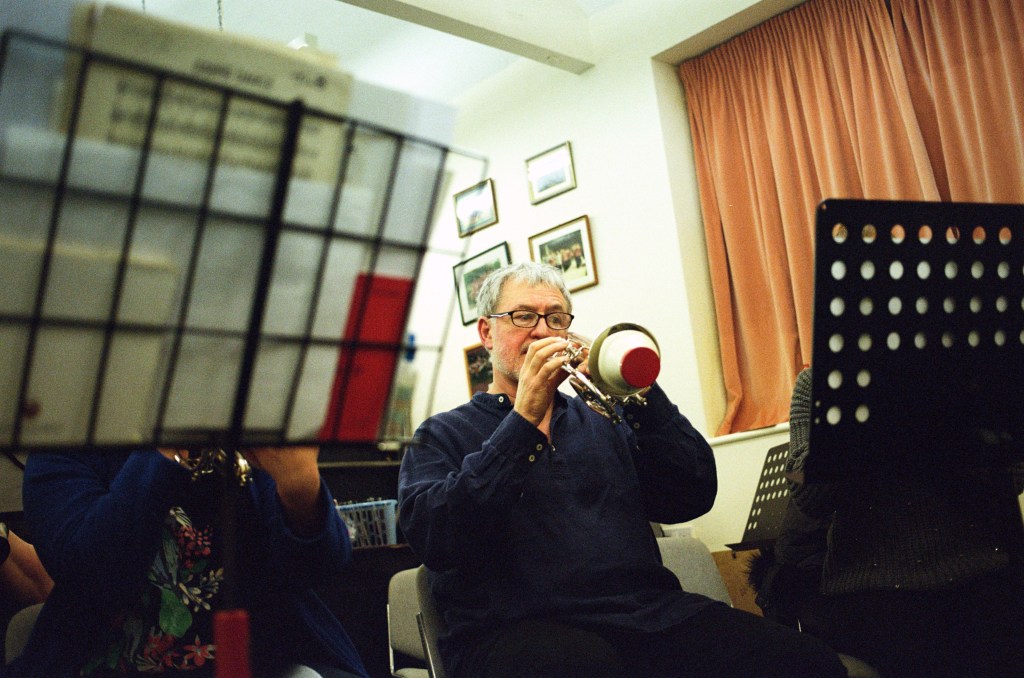
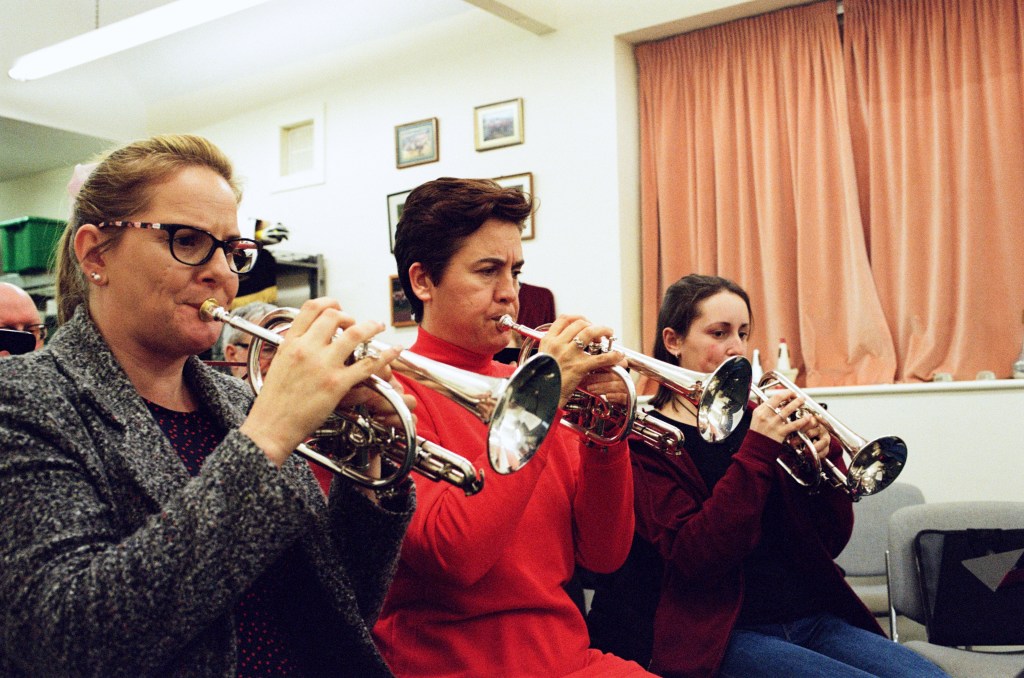
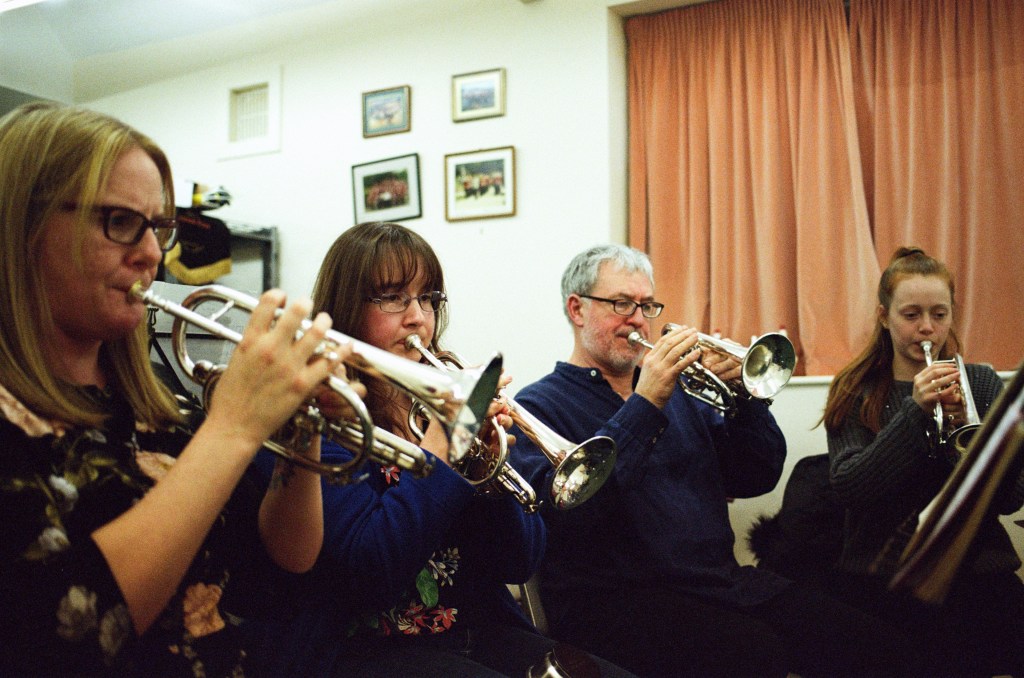
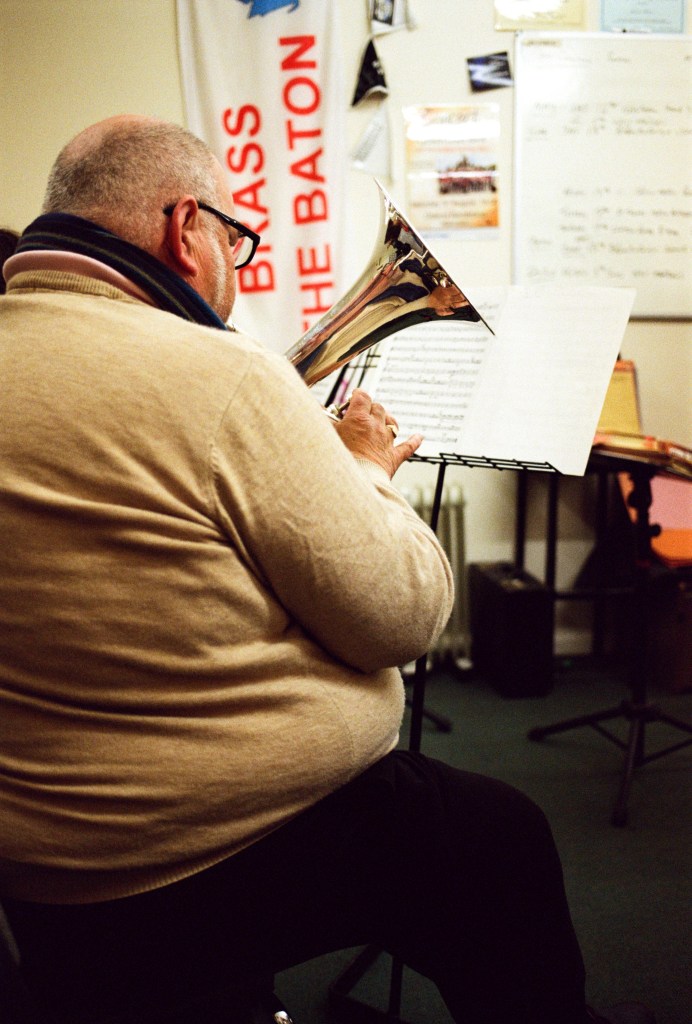
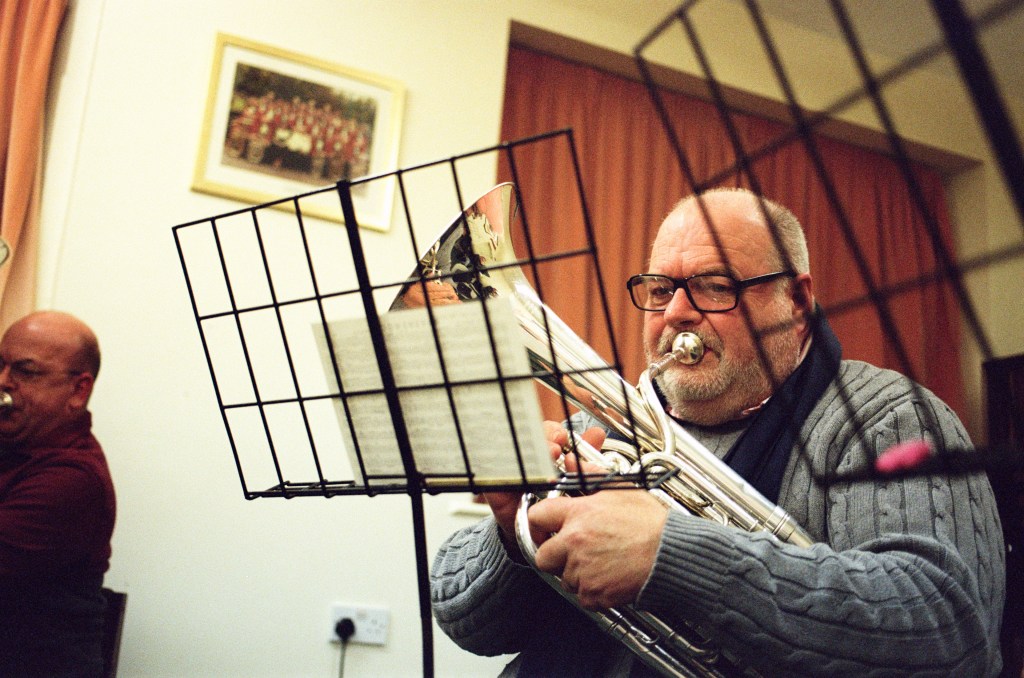
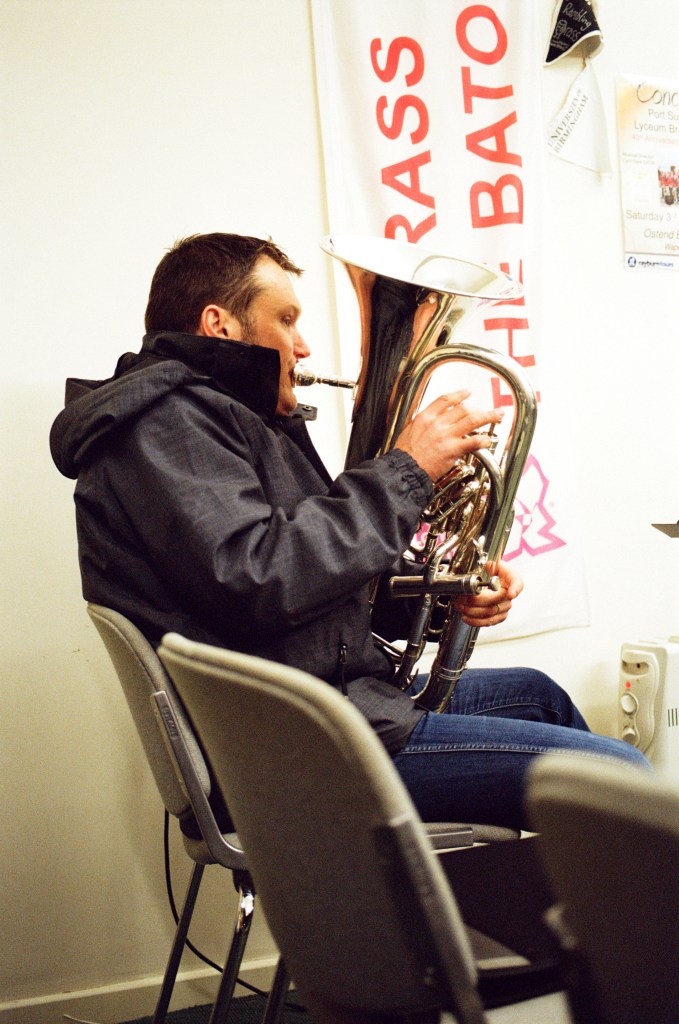
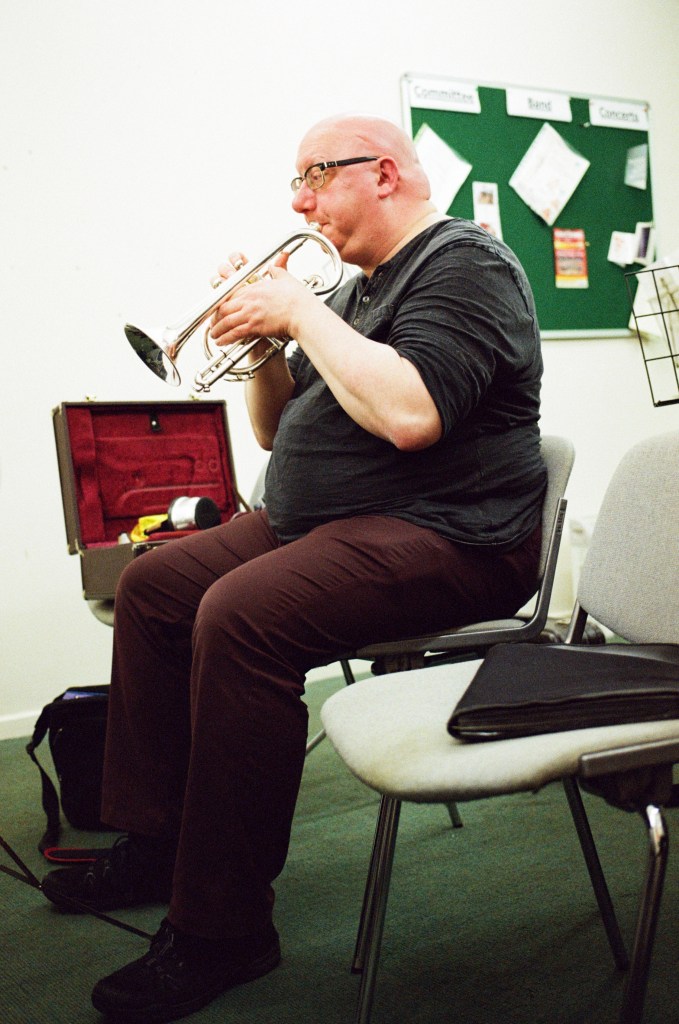
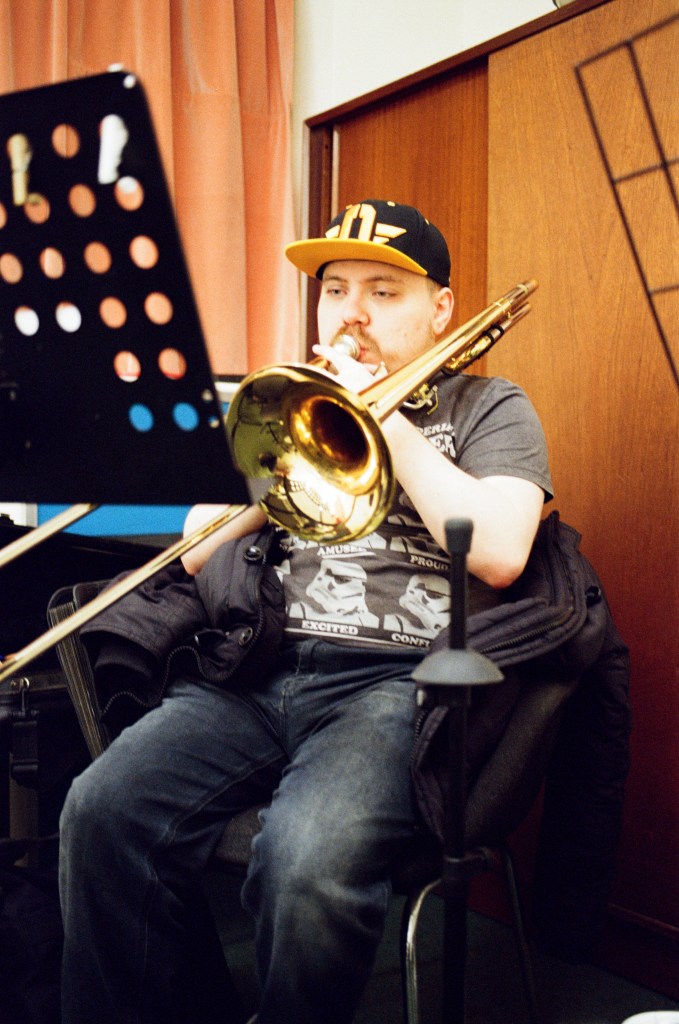
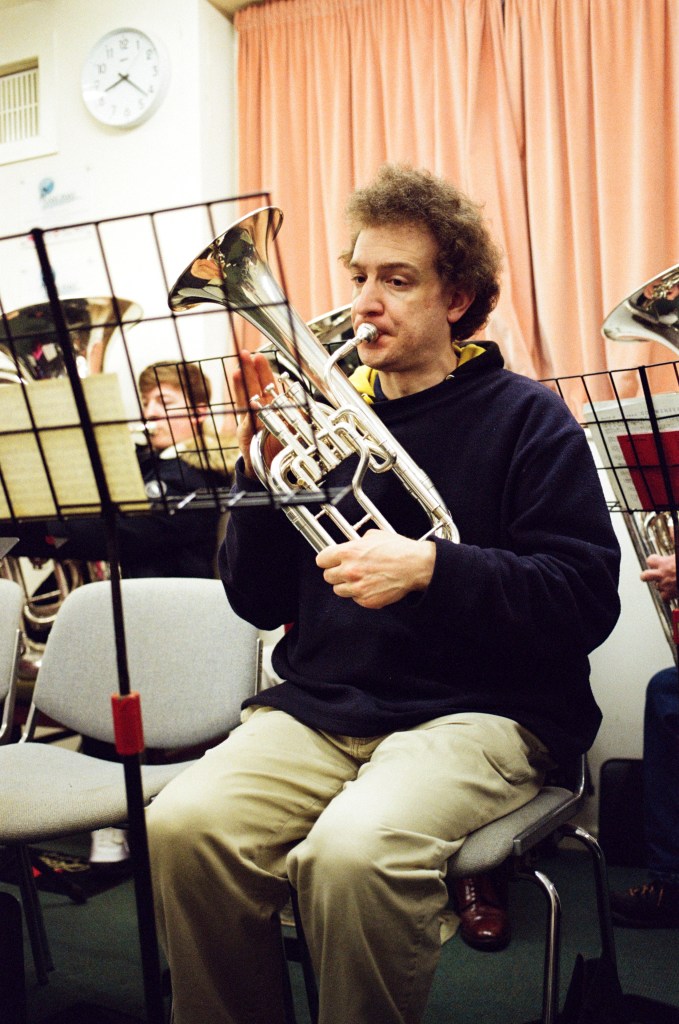
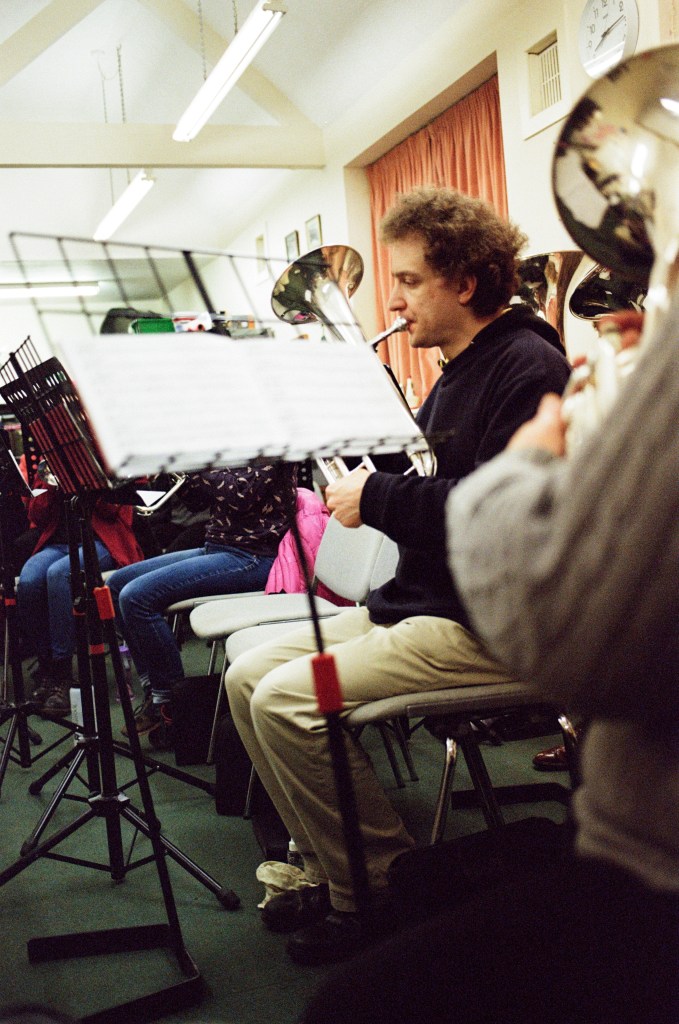
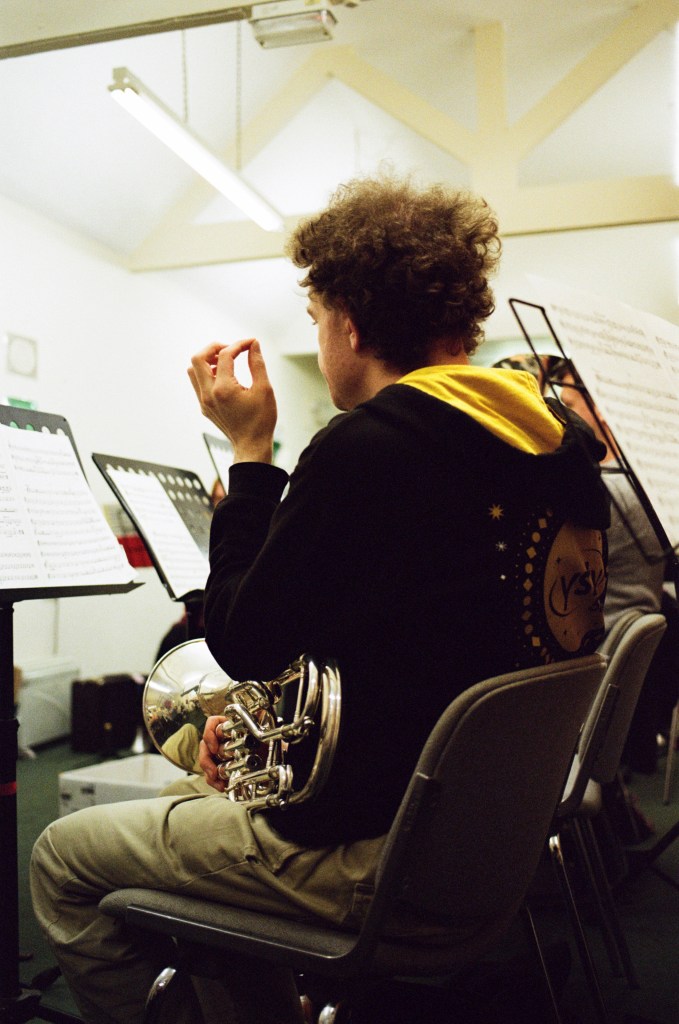
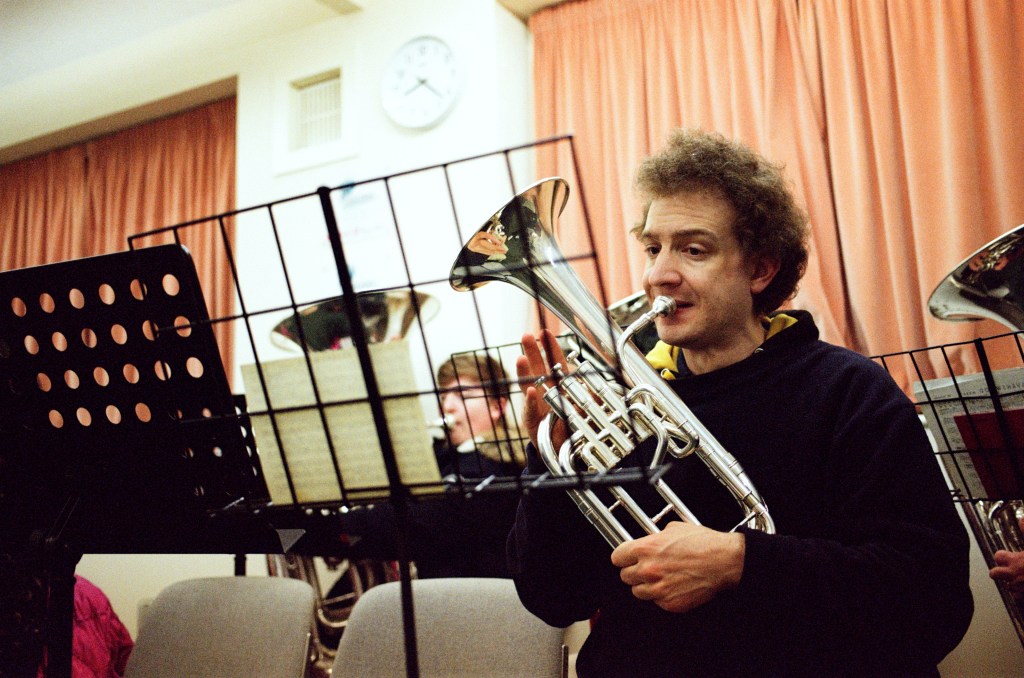
Once the band started to play, I thought about harmony for the first time. I’d never considered it before, but a brass band is made up of entirely monophonic instruments. No one instrument can play a chord, and yet the band together create a mass of chords and harmony, laced with melody. If the project does end up in book form, some key words that could explain the emotion of being in that room, might help a reader to engross themselves into the idea of the band. I haven’t found the right words to say it yet and so this is somewhat muddled.

The lungs create rhythm and power. The mouth produces the vibrations. The hands manipulate the pitch. Each instrument can play only one note at a time, but has no harmonic reference without another. It’s each individual breathing, vibrating and working, all in complete harmony that creates such a breathtaking sound.

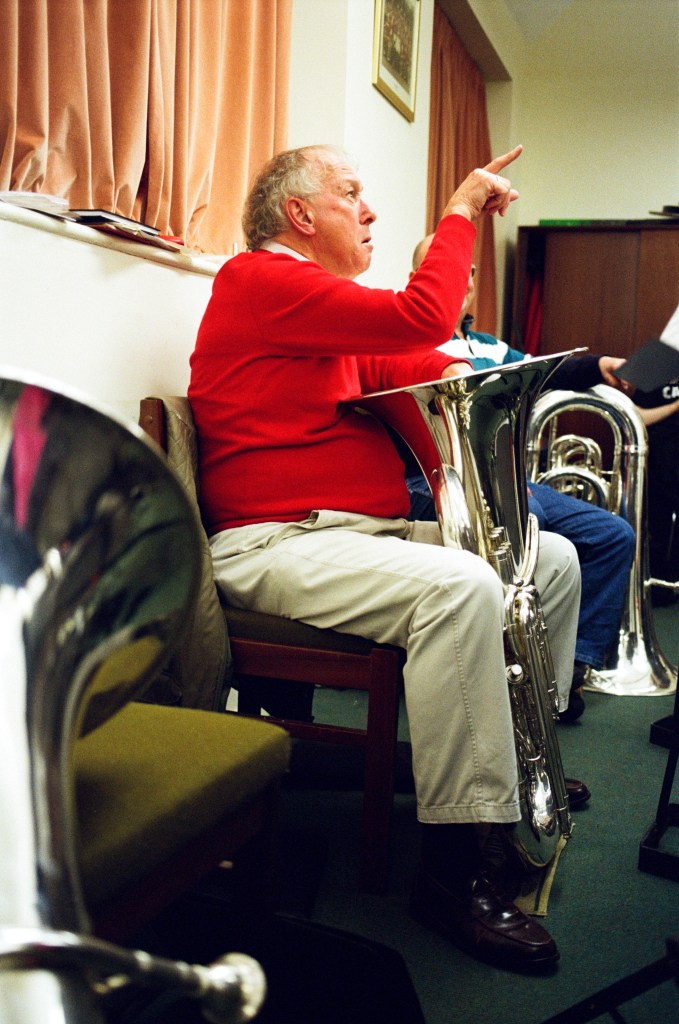
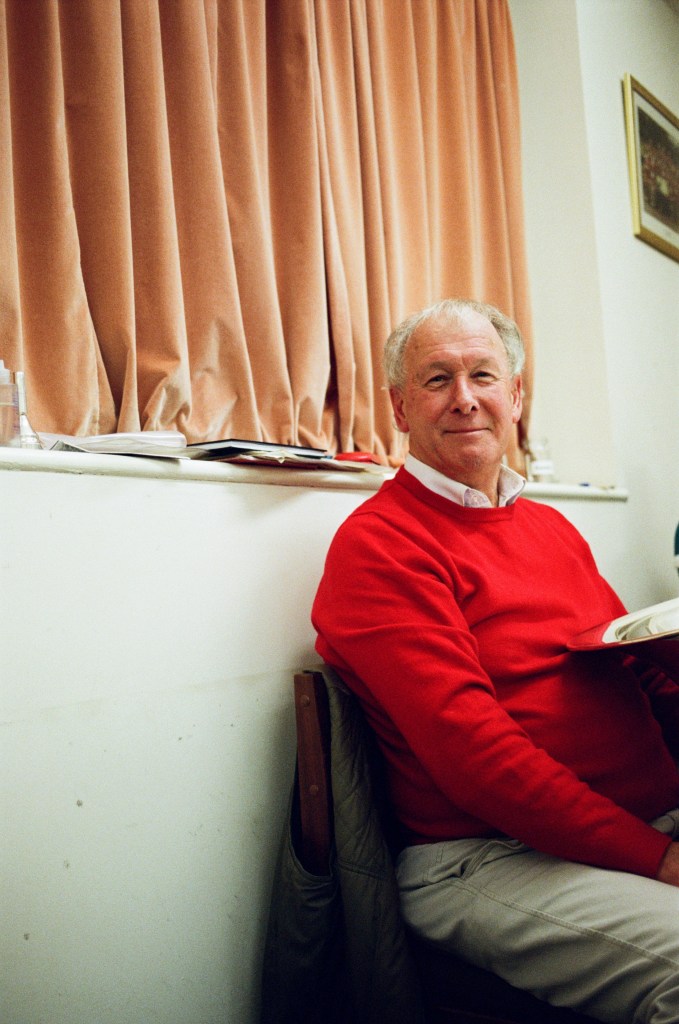
Whilst taking the images, I began to be more cut throat with my decisions. This week there were less people in attendance and so I managed to get into spaces I had previously felt were to obtrusive. Some of the musicians that I had specifically wanted to photograph that were more reserved and less forthcoming, were in perfect framing opportunities. I was quick and nonshalant, but got what I’d been waiting for. This was a real break through. I was there for less than an hour and felt I managed to get more evidence of both the club as a historical artefact and the character, musicality and atmosphere of the band.

P.S.V.W.B.C #1

I had my first meeting with Port Sunlight Village and Works Bowling Club this week. I met a man named Michael at the Lyceum building in the village, in a room probably adjacent to where the brass band play. On arrival, I entered a fairly noises pub that was empty except for a single table. In the email Michael had sent me he had mentioned that two other club members where to join us and that I could ask for him behind the bar. After doing this I was told by a somewhat confused barmaid, that she didn’t think he was here. I then bumped into a very friendly man carrying a folder as I walked through the exit. This was Michael. He sat me down in a back room past a hue snooker hall and function area. I explained what I was hoping to do in terms of photographing and documenting the bowling club and he told me how they could really use someone like myself to aid in the clubs publicity. I had brought with me two of the Hoxton mini press books to show examples of what I hope an end product will look like.

Michael explained to me that the team had been struggling with members for a few years and that the village has been trying to promote the club, but has no images or publicity to send out. He said I had got in contact at the perfect time. Once two others joined us, (I think named Nick and Arthur) they began discussing their current online presence in mild confusion. It made me sympathetic to them but also grateful for the opportunity, as they are obviously very passionate and so want their club to be properly represented. However I felt the urge to laugh as one of the chairman said of their website “We have had something put on there, not long ago”, later it being revealed it was in either 2013 or 14.
I told them the more access and time I have with them, the better my project will be and in turn their publicised images will be more personal and professional . I am hoping to get formal portraits of each member, entire team or club photos and action shots of the actual games. They seemed more than pleased to hear this and said I would be welcome to any event they attend. I felt that Michael understood the project I am trying to pursue, as he said “There are certainly lots of characters and different attitudes you could capture”. I have started to generate bigger ideas again after my slightly limp Brass band session last week but want to keep in touch with as many clubs as possible. The more images I produce, the more chance I have of getting what I need for a quality finished project.

Design a site like this with WordPress.com
Get started